ISLAMABAD: The Ministry of National Health Services, Regulations and Coordination (MoNHSR&C), in collaboration with the Pakistan Digital Authority (PDA), has successfully held the first two consultative workshops in Lahore under the nationwide Digital Sectoral Plan for the Healthcare Sector.
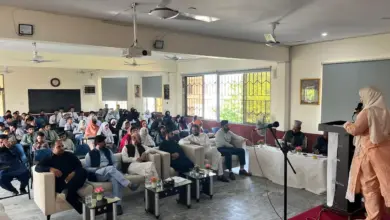
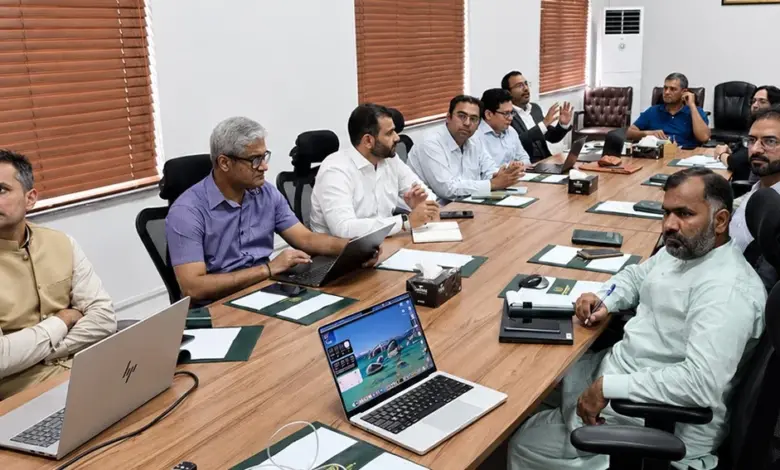
The Lahore sessions brought together health sector leadership from Punjab as well as a broad range of respected stakeholders to help shape Pakistan’s future vision for digital health.
The first consultation focused on Human Resources for Health (HRH) and was facilitated by Prof Mahmood Shaukat. The second session covered Maternal, Newborn and Child Health, along with AI, Data and Digital Health, and was facilitated by Dr Naeem Majeed.
These meetings are part of a series of ten workshops being conducted across Islamabad, Peshawar, Lahore, Karachi, Gilgit and Muzaffarabad. The purpose of the exercise is to develop an inclusive digital health strategy for Pakistan.
According to the initiative’s approach, health is one of the areas where citizens feel digital transformation most directly. Progress in this sector is considered stronger when institutions work together rather than in isolation, helping build more inclusive foundations for digital health in the country.
PDA Founding Chairman Dr Sohail Munir said this was the way sectoral transformation should be developed: co-created with those who would live with the outcome, instead of being handed down from the centre.
He said health was a devolved subject and that the provinces were co-authors of the plan, not merely consultees. He also noted that the private sector, which delivers a major share of the care received by Pakistanis every day, must help design the systems on which it will operate.
Dr Munir said the role of the Pakistan Digital Authority was to convene, set standards and enable, while ownership belonged to the sector itself.
He thanked the Ministry of National Health Services for taking the lead and the Ministry of IT and Telecommunication for its consistent support for the agenda. He also invited provincial health departments, hospitals, HealthTech innovators, academia and development partners to contribute their strongest ideas to the process.