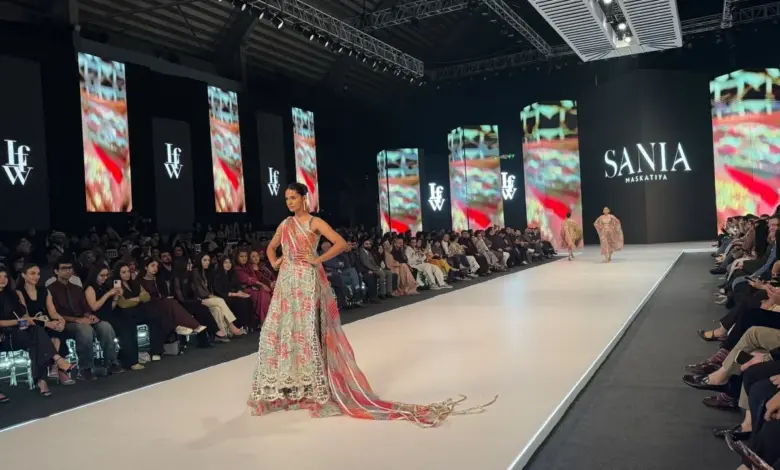
LAHORE: LAAM Fashion Week (LFW) Season 2 continued in Lahore on Saturday, October 24, 2026, with its second day presenting a broad mix of retail-ready fashion, high-street labels and designer collections across three runway segments.
Co-created by LAAM and Design651, the fashion week carried forward its runway-to-e-tail format, linking physical showcases with digital discovery, access and commerce. The platform continued to bring together different parts of Pakistan’s fashion ecosystem, from manufacturing-led businesses to established consumer brands and independent designer voices.
Day 2 opened with the LFW Retail Runway, featuring Allure by Izna Hamza, Truba and ALLYS. The second presentation, LFW Edit, included Hathghar, Beygum Bano, Almirah and Collected XX. The evening concluded with the Designer Showcase, which featured Parishae Adnan, DUNO by Hassan & Yahsir Waheed, Emraan Rajput and Jugnu Studios by Hussain Rehar.
In line with LFW’s digital-first approach, Season 2 is being livestreamed through the LAAM App and the LAAM Fashion Week website. ARY Plus, the Official OTT Partner, is also livestreaming the runway for audiences beyond the venue.
LAAM Fashion Week Season 2 is powered by Haseens and Skynet, described as long-term partners and homegrown brands aligned with LFW’s aim of strengthening Pakistan’s fashion ecosystem. ARY Digital Network is the Official Media Partner, SALT is the Food Partner, and the event is presented in association with Mercantile | Apple Authorized Distributor.
The event is co-founded by LAAM and Design651, with HSY serving as Event Director. Nabila and N-Gents are Backstage Partners, Zero Makeup and Nabila Haircare are Beauty Partners, Maheen Kardar is Executive Director Designer Experience and Curation, JBnJaws is handling event production, Lotus is Strategic Communications Partner, and AI Solutions is managing livestream and connectivity.
The first segment, LFW Retail Runway, focused on manufacturing-led and retail-ready fashion businesses. It built on the Ramp Readiness Programme introduced during LFW’s first edition, helping participating businesses convert production and retail strengths into clearer consumer-facing fashion identities through design, storytelling and market access.
Allure by Izna Hamza opened the segment with Heritage Reimagined, a collection centred on cultural memory and the evolution of heritage through contemporary fashion. The collection combined mixed silhouettes, craft, texture and cultural references, reworking traditional design codes through a refined modern lens. Its looks explored the space between the familiar and the unexpected, with detailing and construction used to give older references new form.
Truba followed with a romantic occasion-wear presentation that balanced traditional craftsmanship with varied silhouettes. The collection moved across voluminous floor-sweeping lehengas, flowing anarkalis, shararas, ghararas and straight-cut kurtas, paired with dupattas that added movement. Wine, crimson, mustard, teal, sage green, blush pink, champagne and deep plum formed the palette, while zardozi-inspired embroidery, ornate borders, floral motifs, sequins and metallic threadwork added richness.
ALLYS presented Diwani, a collection rooted in South Asian elegance, heirloom dressing and the grandeur of Pakistani weddings. Drawing on royal architecture, traditional floral motifs and heirloom jewellery, the collection featured deep maroons, ruby reds, antique golds, ivory, champagne and muted sage. Zardozi-inspired work, sequins, pearls, crystals and ornate borders appeared across classic silhouettes, including worked bodices, flowing kalidars and statement dupattas.
The second runway segment, LFW Edit, placed the spotlight on contemporary and high-street fashion businesses with established consumer identities in Pakistan and abroad. The platform allowed these brands to present their retail identities in a more editorial fashion week setting.
Hathghar presented Khazana: A Tale of Craftsmanship, a collection of sarees, kalidar kurtas, ghararas and churidaars designed as wearable art. The bindi appeared repeatedly as a polka-dot motif, symbolising femininity and artistic expression. Handblock printing, handloom weaving and handmade details such as beads, motifs and tassels gave the collection its artisanal identity, while an earthy palette drew from geography, culture and craft.
Beygum Bano brought Dynasty, Untamed to the runway, building the collection around a meeting of imperial structure and wild instinct. Inspired by a woman elegant by heritage but wild by nature, the collection explored the contrast between refinement and freedom. Shangai fabrics were deconstructed and placed alongside animal patterns and fluid botanical imagery, creating a dialogue between courtly sophistication and untamed individuality.
Almirah presented Takhayyul, a collection anchored in the Urdu idea of imagination and the meeting point of nature and creative expression. Earthy browns, forest greens, deep blues and muted neutrals shaped the colour story. Intricate embroidery, textured patchwork, abstract motifs and handcrafted embellishments drew from the raw beauty of the natural world, while relaxed tunics, wide-leg trousers, oversized jackets and dramatic outer layers created an organic yet contemporary silhouette.
Collected XX showed The Shah Alam Archive, a Fall/Winter collection described as a love letter to the sensory energy and beautiful chaos of the South Asian bazaar. Inspired by historic markets such as Lahore’s Shah Alam, the collection translated vivid colour, layered textures, domestic objects and the rhythm of market life into fashion. Everyday utilitarian textiles and references from the South Asian home were placed alongside vintage, hand-embellished panels more than three decades old.
The final presentation of the day was the Designer Showcase, which brought together four independent design voices. The segment moved from womenswear rooted in agency and self-expression to contemporary craft, dark menswear and an unconventional exploration of instinct and curiosity.
Parishae Adnan presented Ikhtiaar, a collection exploring women’s agency, empowerment and freedom of self-expression. Black and charcoal grey formed the dominant palette, highlighted by metallic silver embellishments, chains, oversized medallions, ornate jewellery and textured surfaces. Sculpted waistcoats, voluminous trousers, dramatic gowns, sweeping skirts and commanding outerwear balanced sharp tailoring with movement.
DUNO by Hassan & Yahsir Waheed offered a contemporary reading of traditional Pakistani craftsmanship. The collection considered how techniques practised by generations of karigars can be rebuilt for present-day wardrobes. Traditional stitches, weaves and details were deconstructed and translated into modern silhouettes, including city-ready kurtas, travel-friendly co-ords and statement pieces. Reflecting the Yin-Yang philosophy in the brand’s identity, the collection brought together desi and global, old and new.
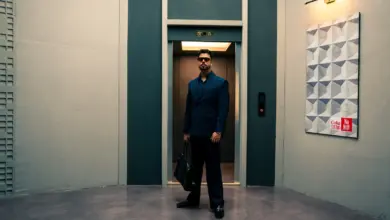
Emraan Rajput presented After Dark, a menswear collection in black where modern tailoring, high fashion, street style and timeless formality met. The collection included Korean-inspired and Renaissance jackets, long winter coats, formal and dinner suits, along with relaxed baggy and oversized shapes. Wool fabrics, distinctive cuts and layered proportions created a winter mood, while sequins, diamond-like stones and threadwork brought flashes of light against the dark palette.
Jugnu Studios by Hussain Rehar closed the day with RABBITS WITH FLOWERS, a collection shaped around oddities, unexpected encounters and the pleasure of following curiosity. Rather than following a conventional narrative, the collection embraced contrasts and unlikely combinations. Playful, instinctive and deliberately unpredictable, it reflected the creative world of Jugnu Studios, where rules loosen and curiosity becomes part of the design process.
With the close of the Designer Showcase, Day 2 of LAAM Fashion Week Season 2 concluded after a programme that moved from manufacturing and retail-ready fashion to high-street businesses and independent designers.