**Dominican Republic Launches Revitalized Autosobriety Training to Combat Drink Driving**
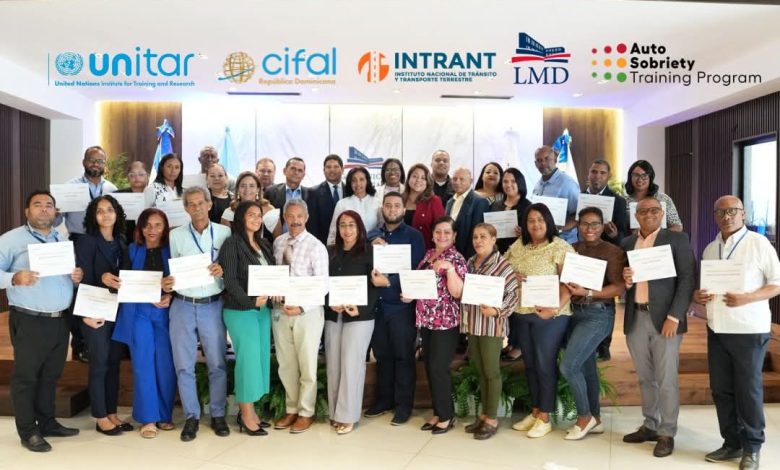
A major workshop was recently held in the Dominican Republic to relaunch the Autosobriety Training Programme, an initiative designed to reduce drink driving and enhance road safety across the country. Hosted in collaboration with the Instituto Nacional de Transito y Transporte Terrestre (INTRANT), Liga Municipal Dominicana (LMD), and CIFAL Dominican Republic, the event aimed to foster safer road behavior and strengthen institutional efforts against impaired driving.
More than 100 participants—including local and international experts—attended the workshop. The agenda featured a series of specialist presentations, interactive panel discussions, and practical virtual reality training exercises. These activities allowed attendees to deepen their understanding of the risks associated with drink driving and the latest strategies for prevention.
A highlight of the workshop was the “Training of Trainers” session held for instructors from the Escuela Nacional de Educación Vial de la República Dominicana (ENEVIAL), the country’s foremost road safety education body. This session focused on equipping trainers with the tools and methodologies necessary to effectively deliver the Autosobriety Programme to broader audiences.
By bringing together key stakeholders and road safety advocates, the workshop marks an important milestone in advancing a culture of responsible driving in the Dominican Republic. Organizers emphasized the initiative’s alignment with broader goals such as the United Nations’ Sustainable Development Goals (SDGs), Vision Zero, and global pledges to eliminate traffic-related injuries and fatalities.
The relaunch of the Autosobriety Training Programme underscores the country’s commitment to building safer, more aware communities, and demonstrates how local action can create a positive global impact.