Pakistan Environmental Protection Agency Takes Action Against Industrial Non-Compliance in Islamabad
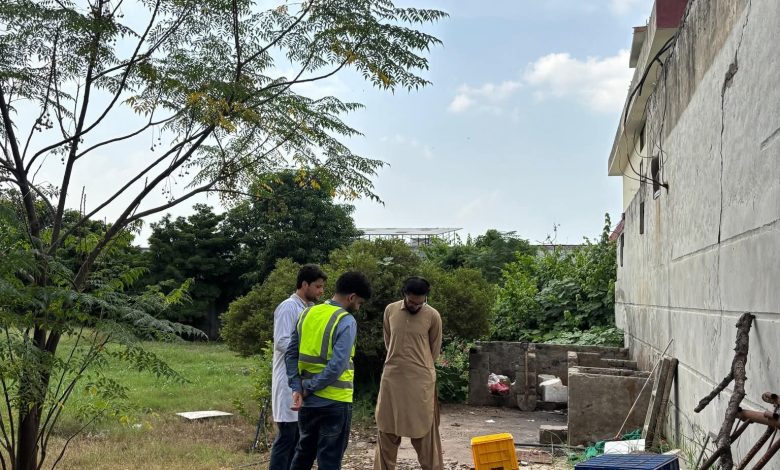
The Pakistan Environmental Protection Agency (Pak-EPA) has conducted a series of inspections targeting industrial units in the Humak Industrial Area of Islamabad, emphasizing the government’s commitment to enforcing environmental laws. Under the directive of Director General Miss Nazia Zaib Ali, the agency assessed eight prominent industrial facilities to ensure adherence to environmental regulations, revealing significant non-compliance across the board.
During the inspections, units including Glorious Labs (Pvt.) Ltd., Nishat Textiles, M1 Energy (Pvt.) Ltd., Medera Pharmaceuticals, Shan Enterprises, Nectar, Horizon Pharmaceuticals, and LEG Pharmaceuticals were examined for their adherence to the Pakistan Environmental Protection Act, 1997. The findings indicated that none of these facilities had secured the necessary environmental approvals mandated under Section 12 of the Act. This regulatory lapse highlights the ongoing challenges in ensuring industry-wide compliance with environmental standards.
Additionally, the assessment uncovered that only one of the inspected units had developed an Environmental Management Plan (EMP), an essential document for environmental monitoring and mitigation efforts. However, this unit failed to submit the requisite compliance reports, undermining transparency and accountability. The absence of proper EMPs or timely reporting raises concerns about the potential environmental impact of these industrial activities.
In response to these violations, the Pak-EPA issued notices under Section 16(1) of the Pakistan Environmental Protection Act, 1997, to all eight non-compliant units. These notices serve as formal warnings and call for immediate corrective action to align operations with established environmental regulations. The authority has reaffirmed its dedication to enforcing environmental protections and ensuring industrial compliance to safeguard public health and the environment.