World Humanitarian Day: Pakistan’s Tradition of Service and Our Collective Responsibility

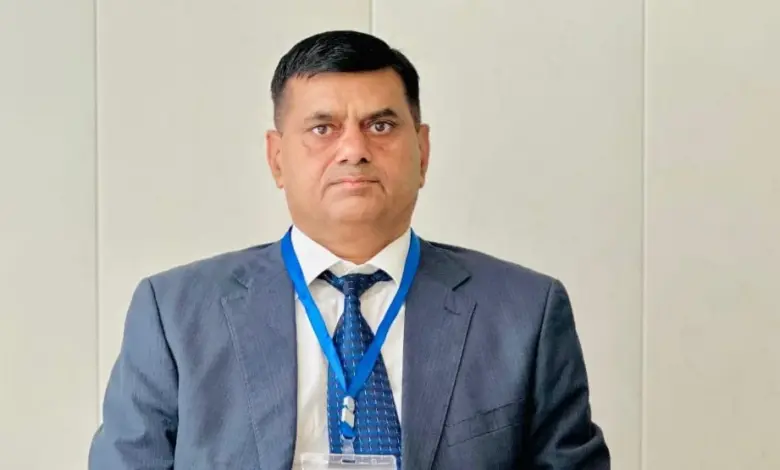
By: Choudhary Muhammad Rasheed Sal
World Humanitarian Day is observed every year on 19 August to honour humanitarian workers, volunteers and aid personnel who dedicate their lives, time and resources to helping people affected by wars, natural disasters, poverty, hunger, displacement and other humanitarian crises. The day reminds us that humanity transcends religion, nationality, language and borders. Helping a person in distress is a shared responsibility of us all.
The Significance of World Humanitarian Day in Pakistan
For decades, Pakistan has faced earthquakes, devastating floods, epidemics, poverty, unemployment and numerous social and humanitarian challenges. In every difficult hour, the Pakistani people have demonstrated a remarkable spirit of sacrifice, compassion and solidarity.
During natural disasters and other crises, ordinary citizens, welfare organisations, students, teachers, doctors, young volunteers and social groups have come forward to support affected communities.
The tradition of serving humanity is also deeply rooted in Pakistan’s religious and cultural values. Islam places great emphasis on human dignity, helping the needy, caring for orphans and vulnerable people, giving charity and standing with those facing hardship. Consequently, Pakistan has a strong tradition of Zakat, charity, community kitchens, medical camps, blood donations and relief operations during natural disasters.
The Pakistani Nation in Times of Crisis
The devastating 2005 earthquake remains one of the most powerful examples of Pakistan’s collective humanitarian spirit. People from across the country travelled to affected areas, donated relief supplies and participated in rescue and rehabilitation efforts. Similarly, during severe floods in different periods, Pakistani citizens and welfare organisations have played an important role in providing food, clean water, medicines, shelter and other essential supplies.
These experiences demonstrate that the spirit of supporting one another during difficult times remains alive in Pakistani society. However, the growing humanitarian and economic challenges of the modern era require us to transform this spirit into a more organised, sustainable and effective system of social support.
Moving Beyond Relief Towards Self-Reliance
Humanitarian service is not limited to emergency relief. Providing food to a deserving family for a few days is certainly valuable, but genuine humanitarian assistance becomes far more meaningful when that family is helped to rebuild its life and become self-reliant.
Therefore, welfare activities in Pakistan should focus not only on relief but also on rehabilitation, education, healthcare, employment and economic empowerment. Supporting a poor child’s education, teaching a young person a marketable skill, creating a livelihood opportunity for a family or ensuring timely medical treatment can have a far greater and longer-lasting impact than temporary assistance.
The Role of Young People and Educational Institutions
Pakistan’s young population represents a tremendous force for humanitarian service. Educational institutions should cultivate a culture of volunteerism, social responsibility and community service among students.
Universities and colleges can promote blood donation drives, tree plantation campaigns, environmental protection initiatives, health and hygiene awareness programmes, support for deserving students and volunteer networks for disaster response.
If the energy, education and technological skills of young people are systematically connected with humanitarian work, Pakistan can develop a strong and organised culture of volunteerism.
Social Media and Responsible Humanitarianism
In the digital age, social media has become a powerful tool for humanitarian assistance. During a crisis, information can reach millions of people within minutes, relief activities can be coordinated and the needs of affected communities can be highlighted.
However, this power comes with responsibility. Fake images, misinformation and fraudulent appeals can mislead the public and divert assistance away from those who genuinely need it. Media organisations and social media users must therefore prioritise accurate information, responsible communication and respect for the dignity and privacy of victims during humanitarian crises.
The Role of the Media
The role of the media during humanitarian crises should go beyond simply reporting events. Journalism must give affected people a voice, highlight their problems, monitor relief efforts and hold government and non-governmental organisations accountable for their performance.
Responsible journalism should not turn human suffering into a spectacle. Instead, it should promote public awareness, collective responsibility and solutions. While reporting on victims, journalists must also protect their dignity, privacy and emotional well-being. This is not merely a matter of professional ethics; it is a fundamental responsibility of humane journalism.
A Shared Responsibility of Government and Society
Pakistan cannot effectively respond to humanitarian crises without cooperation among the government, welfare organisations, private sector, media, educational institutions, religious and social organisations and ordinary citizens.
Effective disaster preparedness, timely relief, transparent systems and long-term rehabilitation are essential. At the same time, social protection mechanisms for vulnerable groups—including children, women, older people, persons with disabilities and extremely poor families—must be strengthened.
Humanitarian assistance should not be treated as an occasional response to a crisis. It should become part of a broader national strategy for social protection, resilience and human development.
Humanity Is Not a One-Day Commitment
The most important message of World Humanitarian Day is that humanity cannot be confined to a single day. Feeding a hungry person, visiting a sick individual, helping a deserving student continue education, donating blood, supporting a vulnerable family or simply listening to someone in distress are all acts of humanity.
We should also recognise that humanitarian service does not always require significant financial resources. Sometimes a small act of kindness, a timely decision or a few words of hope can change someone’s life.
Conclusion
World Humanitarian Day reminds us that humanity is both our common identity and our collective responsibility. Pakistan has repeatedly demonstrated its spirit of sacrifice, compassion and solidarity in times of crisis. The challenge now is to transform this spirit from temporary relief into a permanent, organised and effective part of our social system.
Let us resolve not merely to speak about humanity but to make it a part of our everyday conduct—to create ease for those in need, support the vulnerable and help ensure that every member of society has the opportunity to live with dignity and basic rights.
A strong Pakistan is built not only through a strong economy and strong institutions, but also through a compassionate, responsible and humane society.
When humanity remains alive, society becomes stronger; and when society becomes stronger, Pakistan becomes stronger.