**Immunization Continues to Save Millions of Lives Annually, But Gaps Remain Amid Pandemic Setbacks**
Immunization remains one of the global health sector’s most powerful tools, saving between 3.5 and 5 million lives each year by preventing a wide range of life-threatening diseases. Despite these achievements, recent disruptions—particularly those caused by the COVID-19 pandemic—have highlighted the urgent need to reinforce vaccination programs and ensure no one is left behind.
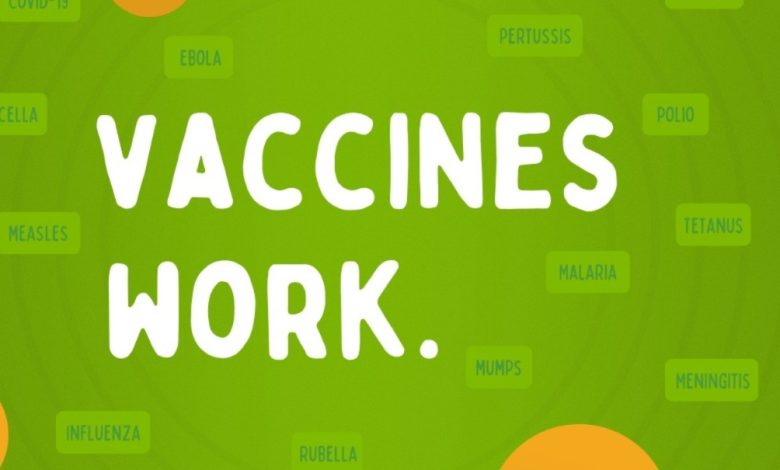
Vaccines function by training the body’s immune system to recognize and defend against harmful pathogens, thereby significantly reducing the risk of disease. Today, there are immunizations available against more than 30 dangerous infections, enabling people of all ages to live longer and healthier lives. Among the diseases most notably prevented are diphtheria, tetanus, pertussis (whooping cough), influenza, and measles.
Immunization plays a central role in primary health care and is widely regarded not only as a fundamental human right but also as one of the smartest and most cost-effective investments in public health. Broad vaccine coverage is critical in preventing and containing infectious disease outbreaks, reinforcing overall global health security, and combating the challenge of antimicrobial resistance.
The COVID-19 pandemic put unprecedented pressure on health systems around the world, causing significant setbacks to regular vaccination schedules. Recent statistics on diphtheria-pertussis-tetanus (DTP) coverage signal the imperative need for catch-up programs, ongoing recovery efforts, and further strengthening of immunization systems.
Measles remains a particular concern due to its high transmissibility, which quickly reveals any immunity gaps. In 2024, approximately 20.6 million children missed their routine first dose of the measles vaccine—an increase from 19.3 million in 2019—underscoring the necessity for renewed focus and investment in vaccination initiatives.
As the world continues to address the fallout from pandemic-related disruptions, reinforcing immunization programs is more important than ever to secure safer, healthier futures for communities worldwide.