Climate Change, Floods and the Human Cost of Environmental Injustice in Pakistan

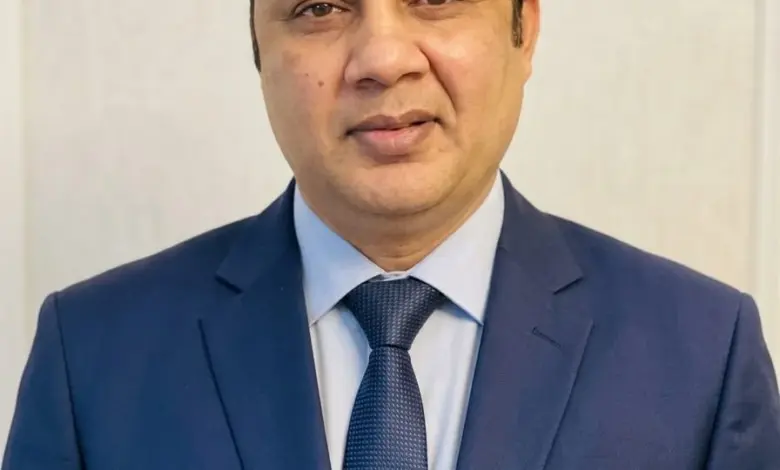
By Dr. Baber George
Global President & Chief Ambassador, IUDHR (Implementation Universal Declaration of Human Rights), USA
Climate change is no longer a distant global concern. It has become a harsh reality affecting communities, livelihoods, economies and human lives across the world. Pakistan is among the countries facing severe consequences of a changing climate, despite having contributed relatively little to global greenhouse gas emissions.
The recent flood situation in Gilgit-Baltistan is another reminder of the growing vulnerability of environmentally sensitive regions. Local communities are facing serious challenges as floods damage homes, roads, infrastructure, agriculture and sources of livelihood. Particularly concerning is the fact that some of the areas experiencing the greatest impact are among Pakistan’s most environmentally valuable and naturally protected regions.
Gilgit-Baltistan is not only home to millions of people but also contains some of the world’s most important mountain ecosystems, glaciers and water resources. Damage to these fragile environments can have consequences far beyond the affected communities.
At the same time, urban flooding is becoming an increasingly serious challenge in Pakistan’s major cities. Heavy and unpredictable rainfall can overwhelm drainage systems within a short period of time, turning roads and streets into waterways and disrupting daily life. Urban flooding can damage homes and businesses, paralyze transportation, affect essential services and expose citizens to serious health and safety risks.
The growing frequency and intensity of extreme weather events demonstrate that climate change must be addressed through both global responsibility and local preparedness. Pakistan needs stronger urban drainage systems, improved flood-management infrastructure, better early-warning mechanisms, protection of natural waterways and wetlands, and climate-resilient planning for expanding cities.
However, the responsibility cannot rest solely on countries that are suffering the consequences. The nations and industries that have historically contributed significantly to global greenhouse gas emissions must recognize their responsibility toward vulnerable countries and communities.
Climate justice demands more than statements of sympathy. Affected countries and communities need meaningful financial support for climate adaptation, disaster recovery, reconstruction and environmental protection. International climate finance should reach the people and regions facing the greatest risks and should help them build resilience before disasters occur.
Pakistan’s experience—from the mountain communities of Gilgit-Baltistan to densely populated urban centers struggling with flooding—shows that climate change is simultaneously an environmental, humanitarian, economic and human rights issue.
Every person has the right to live in a safe and healthy environment. Protecting that right requires collective action, responsible development and genuine international solidarity.
The international community must act before vulnerable communities are forced to pay an even greater price for a crisis they did little to create. Climate responsibility must be transformed into climate action, and climate action must include justice for those on the front lines.
— Dr. Baber George
Global President & Chief Ambassador
IUDHR (Implementation Universal Declaration of Human Rights), USA