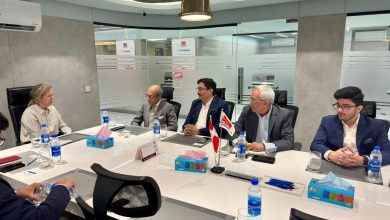
The Senate Standing Committee on Science and Technology met at Parliament House under the chairmanship of Senator Kamil Ali Agha to push urgent reforms on import controls and quality enforcement. Attendees included Senators Husna Bano, Dr. Muhammad Aslam Abro, Dr. Afnan Ullah Khan and Saeed Ahmed Hashmi, Federal Minister for Science and Technology Khalid Hussain Magsi, senior ministry officials, and heads of PEC, PSQCA and PCSIR.
Committee members held a detailed discussion on pre-shipment testing, smuggling of hazardous food items, the Rs135 billion Quetta petroleum scandal, and the need for stronger quality control and enforcement mechanisms. The Chairman PCSIR briefed the panel that the federal cabinet has approved implementation of pre-shipment testing at borders, while the operational mechanism remains under finalization.
The Federal Minister stressed that once pre-shipment testing is completed, consignments should be cleared within 15 to 25 days because certain materials are time sensitive. Senators warned that delays in clearance could cause severe financial losses and endanger public health when hazardous goods remain detained or circulate unchecked.
Members were informed about ongoing smuggling of substandard betel nut and gutka via sea and land routes. The Committee heard that spoiled supari and gutka pose significant cancer risks, prompting Senator Dr. Afnan Ullah Khan to urge a complete ban on gutka consumption. The Chairman PCSIR highlighted the need for stringent checks at the supply stage, noting that illegal consignments are often moved from coastal areas to factories before reaching consumers.
The Secretary Ministry of Science and Technology updated the Committee on investigations into the Quetta petroleum scandal, saying disciplinary proceedings have been initiated against two serving officers and cases of two retired officers were referred to the FIA on October 15. Concerned by delays, the Committee directed the FIA to submit its response within ten days to ensure transparency and accountability.
Members also discussed the regulatory mandate of PSQCA over factory inspections and expressed worry that inspections sometimes lead to clearance of illegal material rather than proper enforcement. The Committee received briefings on adulteration in spices such as turmeric and the addition of harmful substances in traditional products like kohl, underscoring the need for more effective inspection and prosecution.
The Chairman Pakistan Engineering Council, Engineer Waseem Nazir, outlined institutional reforms including merit-based transfers, the Smart PEC initiative, and digital services launched with NADRA for online registration and issuance of engineering cards through Pak-Identity. PEC also reported online registration of entire university batches, organizational restructuring, and new professional training programs including a Generative AI course targeting 45,000 engineers with 15,000 already trained.
PEC said a Chartered Project Directors course is planned for March–April 2026, mutual recognition agreements for engineers have been signed with China with talks underway with Kuwait and Saudi Arabia, and a Graduate Engineer Trainee Program will provide six months paid training with a stipend of Rs. 50,000 per month.
On solar products, the Committee agreed comprehensive testing is essential after concerns about substandard solar panels, inverters and batteries were raised. Officials said a Korea-assisted laboratory will soon be operational and capable of conducting at least 46 different tests on solar panels, strengthening consumer protection and environmental safety.
PSQCA briefings covered standards for food, non-food and electrical items, including recent nicotine testing standards and suspension or cancellation of licenses for violations. The agency clarified that tea whitener meets PSQCA standards and poses no health risk within approved limits, while underlining continued vigilance against adulteration.
The Committee concluded by urging strict enforcement of quality standards, timely implementation of approved policies such as pre-shipment testing, transparent investigations into major scandals, and enhanced coordination among regulatory bodies to safeguard public health, consumer rights and national interests.