Title: Pakistan’s Crucial Role in the Belt and Road Initiative, Judicial Perspective.


By Ghulam Abbas chopa.

The Belt and Road Initiative (BRI), proposed by China, has been one of the most ambitious infrastructure development projects of the 21st century. With its strategic location and historical ties to China, Pakistan plays a significant role in the success and implementation of the BRI. The China-Pakistan Economic Corridor (CPEC) stands as a vital component, bringing immense economic opportunities, connectivity, and regional stability to the country.
Infrastructure Development and Connectivity:
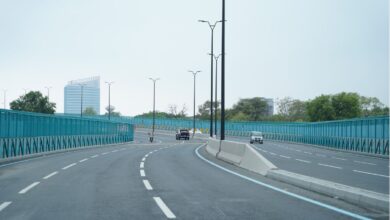
One of the primary aims of the BRI is to enhance connectivity between countries along the ancient Silk Road. Pakistan, with its strategic geographic location, serves as a crucial link connecting China to the Arabian Sea. Through CPEC, Pakistan has witnessed massive investments in infrastructure development. The construction of roads, railways, pipelines, power plants, and industrial zones aims to improve connectivity within the country and create a shortcut for China’s trade to the Arabian Sea.
Economic Benefits and Opportunities:
CPEC not only strengthens economic ties between China and Pakistan but also holds the potential to transform Pakistan’s economy. The project envisages job creation, foreign direct investment, industrial development, energy supply enhancement, and overall economic growth. These developments are set to address longstanding infrastructure deficits in Pakistan and pave the way for economic prosperity.
Gwadar Port and Maritime Trade:
Situated in southwestern Pakistan, Gwadar Port is a focal point of CPEC. Its strategic location on the Arabian Sea not only provides China with a shorter route to the Middle East, Africa, and Europe but also bypasses the congested Strait of Malacca. Gwadar has the potential to become a major maritime trade hub and reshipment center, benefiting both China and Pakistan. It opens avenues for increased regional trade and cooperation, making Pakistan a pivotal player in the maritime sector.
Security and Regional Stability:
As China invests heavily in infrastructure projects across Pakistan, security becomes an essential aspect. Both countries are closely collaborating to ensure the protection of these projects and counter potential security threats. By addressing separatist movements and extremist activities in the region, China and Pakistan aim to establish a stable environment for the successful implementation of BRI initiatives. Strengthened security cooperation deepens the bilateral relationship between the two nations.
Certainly! Here are some additional benefits of Pakistan’s involvement in the Belt and Road Initiative:
Enhanced infrastructure: The BRI offers an opportunity for Pakistan to develop its transport and energy infrastructure significantly. Through investment in roads, railways, ports, and energy projects, Pakistan can improve connectivity within the country and with its neighboring regions. This will facilitate trade, boost economic growth, and create new job opportunities.
Economic growth and diversification: The BRI aims to promote economic development and trade by establishing new trade routes and economic corridors. Pakistan, being strategically located as a gateway to Central and South Asia, can benefit from increased trade flows and foreign investment. This can help diversify its economy, reduce reliance on a few sectors, and promote inclusive growth.
Employment opportunities: The construction and operation of BRI projects in Pakistan will generate employment opportunities, both directly and indirectly. Local workers can benefit from job creation in various sectors, including construction, logistics, services, and manufacturing. This can help alleviate poverty, reduce unemployment, and improve living standards.
Regional integration: Pakistan’s participation in the BRI can contribute to increased regional integration. As infrastructure connectivity improves, it can foster greater trade and people-to-people exchanges among neighboring countries. This can strengthen economic ties, promote cultural understanding, and enhance regional stability and cooperation.
Technology and knowledge transfer: Collaboration with China on BRI projects can facilitate technology and knowledge transfer for Pakistan. By participating in infrastructure development, Pakistan can acquire new skills, expertise, and advanced technologies. This can stimulate innovation, improve productive capacity, and enhance the country’s competitiveness in various industries.
Energy security: The BRI includes investments in energy infrastructure, such as power plants and transmission lines. For Pakistan, which faces energy shortages, this can help improve energy security and reduce dependence on fossil fuel imports. Investments in renewable energy sources can also contribute to environmental sustainability and help meet climate change goals.
These are just a few of the potential benefits of Pakistan’s involvement in the Belt and Road Initiative. By leveraging these advantages and addressing the associated challenges, Pakistan can position itself as a key player in regional economic development and reap the positive outcomes of this ambitious initiative.
Challenges and Concerns:
Pakistan’s involvement in the BRI also faces challenges and concerns. Critics raise questions about debt sustainability, transparency, local economic participation, environmental impacts, and socio-cultural factors. It is vital for Pakistan and China to address these concerns effectively to ensure the inclusive and sustainable development of the country. Transparent policies, local involvement, and environmental safeguards should be implemented to alleviate doubts and sustain support for BRI projects
Certainly! Here are some additional challenges and concerns related to Pakistan’s involvement in the Belt and Road Initiative:
Debt sustainability: One of the primary concerns raised by critics is the potential debt burden for Pakistan. Massive infrastructure projects and loans from China could potentially lead to an unsustainable debt situation, placing a strain on Pakistan’s economy. It is crucial for both countries to carefully evaluate the financial viability of projects and ensure that they contribute to sustainable economic growth.
Lack of transparency: Transparency in project procurement, contract agreements, and decision-making processes is essential to address concerns regarding corruption and favoritism. It is vital to establish transparent mechanisms and ensure that projects are awarded based on merit, fostering public trust and minimizing the risk of financial mismanagement.
Local economic participation: To maximize the benefits of the BRI for Pakistan, it is crucial to promote local economic participation and ensure that Pakistani businesses and workers have opportunities to participate in these projects. Local companies should be encouraged to collaborate with Chinese counterparts, creating a win-win situation for both countries.
Environmental impacts: The construction of large-scale infrastructure projects can have significant environmental repercussions. It is crucial to enforce strict environmental standards and carry out comprehensive environmental assessments to minimize the negative impacts on ecosystems, wildlife, and local communities. Sustainable development principles must be incorporated into the planning and implementation of BRI projects.
Socio-cultural factors: BRI projects need to take into account the socio-cultural dynamics of the regions in which they are implemented. Respect for local customs, traditions, and heritage should be a priority to avoid any negative social implications. Additionally, ensuring that local communities benefit from the projects through improved livelihoods, social welfare, and infrastructure will help promote social harmony.
Addressing these challenges and concerns is vital for the long-term success of the Belt and Road Initiative in Pakistan. By incorporating transparency, sustainability, local participation, environmental safeguards, and cultural sensitivity into project planning and implementation, China and Pakistan can enhance the positive impact of the BRI and ensure its benefits are shared by all stakeholders.
Role of judiciary
The judiciary plays a crucial role in the Belt and Road Initiative (BRI). Here are some key points highlighting the importance of the judiciary in the context of the BRI:
Dispute resolution: The BRI involves numerous infrastructure projects, investments, and trade agreements between multiple countries. In such complex and cross-border endeavors, disputes are inevitable. The judiciary plays a vital role in providing a fair and impartial forum for resolving these disputes. It ensures that disputes are handled in accordance with established legal principles, thereby protecting the rights and interests of all parties involved.
Legal certainty and rule of law: The BRI aims to foster economic cooperation and connectivity between countries. For this vision to be successful, it is essential to establish legal certainty and a strong rule of law framework. The judiciary plays a critical role in upholding legal principles, enforcing contracts, and safeguarding the rights of individuals and entities involved in BRI projects. This fosters trust and confidence among participants, promoting stability and sustainable development.
Contract enforcement: The success of BRI projects depends on effective contract enforcement mechanisms. As countries collaborate on infrastructure projects, investments, and trade agreements, the judiciary ensures that contracts are properly executed and disputes arising from contractual obligations are resolved in a fair and timely manner. This gives confidence to investors and facilitates the smooth implementation of BRI projects.
Protection of rights and interests: The BRI involves significant investments and projects that can have wide-ranging impacts on local communities, the environment, and various stakeholders. The judiciary plays a critical role in protecting the rights and interests of these parties. It ensures that environmental regulations are enforced, social and labor rights are respected, and communities are adequately compensated for any adverse impacts arising from BRI projects.
Upholding transparency and accountability: Transparency and accountability are important principles in the implementation of the BRI. The judiciary plays a role in ensuring that public procurement processes are transparent, that projects are implemented without corruption or favoritism, and that public officials are held accountable for their actions. This fosters good governance and helps prevent misuse of resources, promoting the sustainable and responsible development of BRI projects.
In summary, the judiciary plays a crucial role in providing legal certainty, dispute resolution, contract enforcement, protection of rights, and upholding transparency and accountability in the implementation of the Belt and Road Initiative. Its involvement is essential for promoting a fair, equitable, and sustainable development framework that benefits all stakeholders involved.
An effective judiciary plays a crucial role in building the confidence of investors. Here are some ways in which an effective judiciary can achieve this:
Enforcement of contracts: Investors require assurance that their contracts will be enforced and that their contractual rights will be protected. An effective judiciary ensures that contracts are upheld, and disputes arising from contractual obligations are resolved fairly and efficiently. This promotes confidence among investors that their investments and agreements will be respected and honored.
Protection of property rights: Investors seek security for their assets and investments. An effective judiciary safeguards property rights and provides a legal framework for the protection of investments. This includes protecting against illegal expropriation, ensuring fair compensation in case of government takings, and establishing a reliable system for resolving property-related disputes. Such protections build investor confidence and encourage long-term investment commitments.
Rule of law and legal certainty: Investors require a stable and predictable legal environment. An effective judiciary upholds the rule of law by ensuring that laws are uniformly and fairly applied and that legal decisions are consistent and transparent. This creates a reliable and predictable business environment, reducing the risks associated with uncertainties and arbitrary decision-making. Investors are more likely to commit capital to jurisdictions where the rule of law is robust and predictable.
Dispute resolution mechanisms: Investors value access to fair and efficient dispute resolution mechanisms. An effective judiciary provides a reliable avenue for resolving disputes and enforcing legal rights. This includes access to impartial judges, expeditious procedures, and the availability of alternative dispute resolution mechanisms such as arbitration or mediation. The existence of a credible and efficient dispute resolution system gives investors confidence that their legal rights will be protected and disputes will be resolved fairly.
Transparency and accountability: An effective judiciary promotes transparency and accountability, which are critical for investor confidence. It ensures that judicial proceedings are transparent, allowing investors and other stakeholders to have insight into the legal process. Additionally, an accountable judiciary with safeguards against corruption and undue influence helps instill trust in the judicial system and ensures fair outcomes. Investors are more likely to invest in jurisdictions with transparent and accountable judicial systems.
In summary, an effective judiciary builds investor confidence by enforcing contracts, protecting property rights, upholding the rule of law,
Conclusion:
Pakistan’s significance in the Belt and Road Initiative cannot be overstated. CPEC provides immense economic and developmental prospects for Pakistan, fostering greater connectivity, attracting investment, and boosting regional trade. As CPEC progresses, it is crucial for Pakistan to maintain transparency, address concerns, and ensure the inclusivity and sustainability of these projects. Pakistan’s collaboration with China in the BRI not only strengthens bilateral ties but also contributes to regional stability and socioeconomic growth.