Civil society organisations, medical associations and patient groups welcomed the proposed inclusion of several ultra-processed products in the Third Schedule of the Sales Tax framework, making them subject to an 18% sales tax, while stressing that healthy staples such as unsweetened milk, lassi and flour must remain tax-exempt.
The categories cited in the Finance Bill include sugar confectionery, infant formula products, sauces and condiments, packaged pasta and noodle products, fruit and vegetable preparations such as jams and purees, and vegetables and edible oils sold in retail packaging. The coalition described the move as encouraging, noting it remains subject to parliamentary approval.
Advocates urged the federal government to ground any ultra-processed tax decisions in scientific evidence, pointing to the NOVA food classification system and WHO recommendations on thresholds for salt, sugar, trans fats, saturated fats and non-sugar sweeteners as a robust technical basis. They said such an evidence-led approach can simultaneously raise revenue and deliver measurable public health benefits.
The coalition also called for raising the Federal Excise Duty on all sweetened beverages to 40 percent, covering sodas, packed juices, flavored milk, iced tea, coffee, squashes and syrups. They warned that packaged juices often stripped of natural fiber behave metabolically like sugar-sweetened drinks, driving higher glycaemic loads that contribute to rising rates of type 2 diabetes and childhood obesity and increasing the fiscal burden on Pakistan’s health system.
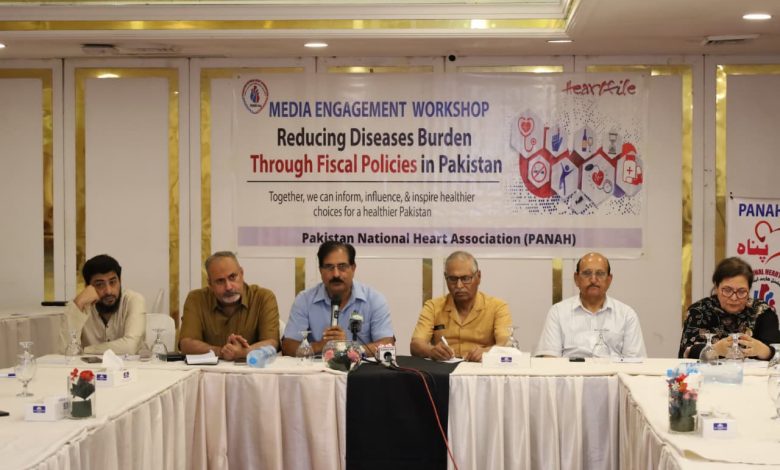
Major General (R) Masud ur Rehman Kiani, president of the Pakistan National Heart Association, stressed that heart disease and other non-communicable diseases are largely lifestyle-related and that diet plays a pivotal role. He highlighted that ultra-processed products are typically high in added sugars, unhealthy fats and salt, contain artificial additives and offer little nutritional value, and linked excessive consumption to obesity, diabetes, cardiovascular disease, hypertension and certain cancers.
Munawar Hussain, a health and nutrition policy expert, said commercial beverage production uses only a small fraction of the country’s fruit output and warned against framing unhealthy packaged juices as agricultural support. He recommended that revenues from an ultra-processed tax be reinvested in farmer-focused measures such as solar-powered cold chain storage and improved market access for fresh fruit to strengthen smallholder livelihoods.
Sana Ullah Ghumman, general secretary of PANAH, cautioned that some industry actors may try to influence policymakers and public opinion by invoking farmer welfare to seek tax relief for unhealthy products. He urged transparency and called for exposing commercial tactics that could undermine evidence-based public health decisions.
Representatives from Heartfile, PYCA, CPDI, the Pakistan Kidney Patient Welfare Association, the Diabetic Association of Pakistan, the Pakistan Family Physicians Association and youth advocates reiterated their commitment to evidence-based policy and urged federal and provincial governments, regulators and the private sector to cooperate in creating healthier food environments. They said a well-designed ultra-processed tax could be an important milestone toward preventing NCDs, improving population health and advancing Sustainable Development Goal 3, including reducing premature NCD deaths by one third by 2030.