Dormant Registration Board Casts Doubt on IHRA’s Licenses and Registration
Healthcare Licensing Crisis: IHRA Accused of Bypassing Legal Process

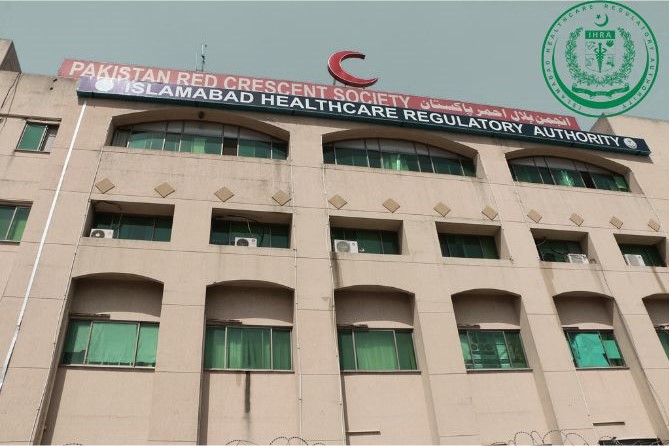
Islamabad: (Nadeem Tanoli) In the heart of Pakistan’s capital, a silent but serious legal crisis is unfolding. The Islamabad Healthcare Regulatory Authority (IHRA), created to uphold the quality and standards of healthcare under the Islamabad Healthcare Regulations Act, 2018, has been functioning without its most critical organ—the Registration Board.
Though IHRA was established in 2018, and began issuing Registration to healthcare establishments as early as 2021, a key detail was missing from the equation: the Registration Board itself had not been constituted. The body that, by law, is solely authorized to approve, renew, suspend, or revoke licenses simply did not exist. It wasn’t until February 12, 2024—almost three years later—that the Board was officially notified.
But even after its delayed formation, the Registration Board has held only one meeting and remains dormant. In the absence of this body, all Registration activities conducted over the past few years now face serious legal questions. Were those licenses and Registration valid? Did IHRA have the legal authority to issue them without the Board? According to the law—it didn’t.
Sections 14,15 and 16 of the IHRA Act clearly assign the Registration Board extensive regulatory powers, including overseeing the inspection process, ensuring compliance with the Minimum Service Delivery Standards (MSDS), and resolving disputes. But these responsibilities were instead carried out by IHRA’s CEO and internal staff, operating under the broader Board of the Authority—a substitution that legal experts warn may be considered ultra vires, or beyond lawful authority.
And it doesn’t stop there.
Sections 18 and 19 of the Act make it mandatory for the Registration Board to form an Inspection Committee before approving licenses and Registration—consisting of subject specialists, a qualified auditor, and a senior hospital executive. It must also maintain a pool of experts to ensure fair and specialized inspections. Yet, to this day, no such committee or expert pool exists.
This absence of mandated oversight not only undermines the legal integrity of IHRA’s operations but also casts a shadow over the hundreds of Registration or licenses issued without proper inspections or board approvals. It is a regulatory gap that has compromised the very credibility of the Authority charged with protecting public health in the capital.
Behind this dysfunction lies a larger failure: the Board of the Authority, which is meant to guide IHRA’s strategic direction, never ensured that the Registration Board was activated. Instead, it allowed an executive-driven model to persist—undermining the Act it was meant to enforce.
Experts warn that healthcare regulation isn’t just about paperwork—it’s about ensuring that hospitals, clinics, and diagnostic centers operate safely and ethically. Without legal oversight, patient safety is at risk, and public trust in the system erodes.
To restore confidence, IHRA must act swiftly. This includes reactivating the Registration Board, holding regular meetings, auditing all past licenses issued in its absence, and immediately establishing the inspection mechanisms required by law.
In a city where lives depend on safe and accountable healthcare, regulatory dormancy is not an option. For IHRA to reclaim its authority, it must first respect the law that gave it power.