WHO, Pakistan and partners prepare health emergency response for 1.3 million people ahead of monsoon floods

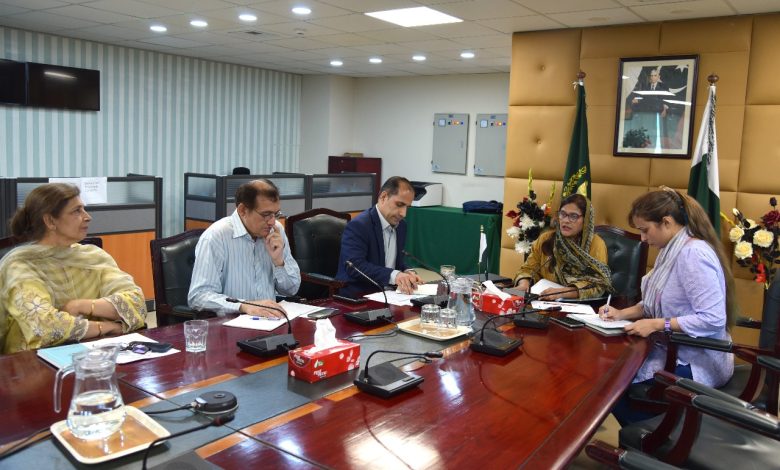
Pakistan, in collaboration with the World Health Organization (WHO) and health sector partners, has launched a comprehensive Monsoon Contingency Plan to deliver timely emergency health assistance to at least 1.3 million vulnerable people across 33 districts ahead of anticipated monsoon floods.
In a Health Sector Coordination Forum led by Pakistan’s Ministry of Health and co-chaired by WHO, health officials and representatives reviewed and finalized the emergency health strategy in preparation for potential flooding from intense monsoon rains. The primary objective of the collaborative plan is to ensure a coordinated and rapid emergency response, uninterrupted health services in high-risk flood-prone areas, and robust disease monitoring with an efficient outbreak early-warning system.
The contingency plan specifically targets 33 priority districts: ten each in Punjab and Sindh, nine in Balochistan, and four in Khyber Pakhtunkhwa. Among those prioritized for emergency health support are pregnant women, lactating mothers, children under five years of age, elderly citizens, disabled persons, internally displaced persons (IDPs), and underserved communities residing in flood-prone regions.
Key preparedness and response measures highlighted in the contingency plan include the prepositioning and distribution of emergency health kits, intensified disease surveillance and response capabilities, and improved water, sanitation, and hygiene (WASH) interventions within health facilities. Health services will be delivered through fixed and mobile health facilities, community outreach initiatives, and telemedicine platforms.
“WHO stands with Pakistan and partners to be ready to save lives by supporting rapid response, surveillance, and the continuity of essential health services in the event of a natural disaster,” said Dr. Dapeng Luo, WHO Representative in Pakistan. “In a context marked by the impacts of climate change, which are exacerbating risks, it is crucial to be ready to protect the health of all, particularly the most vulnerable.”
Pakistan continues to be severely impacted by extreme weather events, ranking as the eighth-most affected country globally, according to the 2021 Global Climate Risk Index. Among these frequent natural disasters—including floods, droughts, heatwaves, and disease outbreaks—monsoon flooding remains the most recurrent and devastating, with profound effects on public health, infrastructure, and livelihoods. The catastrophic floods of 2022 alone affected over 33 million Pakistanis across 116 districts, damaged approximately 2,000 health facilities, and placed enormous pressure on the nation’s public health infrastructure.
Recently, the Pakistan Meteorological Department (PMD) and the National Disaster Management Authority (NDMA) issued a countrywide flood alert due to intense monsoon weather and forecast heavy rainfall in many areas. Since the onset of the current monsoon season, a total of 79 fatalities and 140 injuries have already been reported. As extreme monsoon weather continues, anticipatory and coordinated health planning is critical to reducing loss of life and safeguarding vulnerable communities.