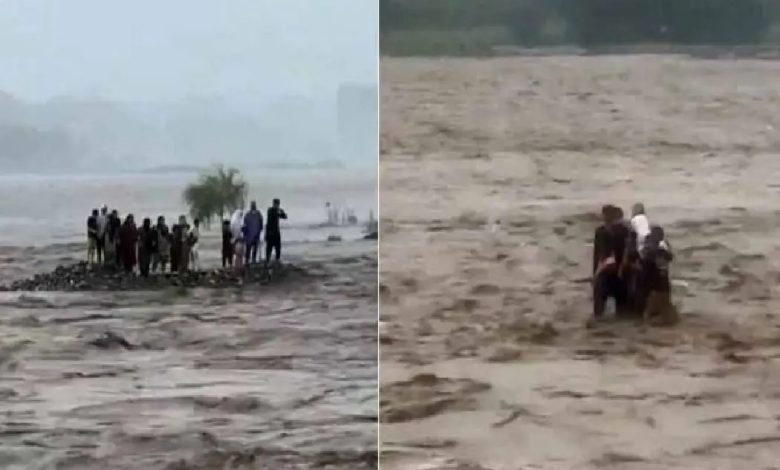
An investigative report into the recent Swat tragedy has identified widespread administrative and operational failures among various government departments, prompting swift action by Khyber Pakhtunkhwa Chief Minister Ali Amin Gandapur. The Chief Minister has ordered disciplinary measures against responsible staff and initiated sweeping river safety and emergency response reforms, alongside a province-wide crackdown on illegal riverside constructions and encroachments.
The 63-page investigative report, compiled by the Provincial Inspection Team, highlighted multiple systemic shortcomings, including ineffective coordination between key departments such as District Administration, Police, Revenue, Irrigation, Local Government, Rescue 1122, and the Tourism Department. The inquiry underscored that previous recommendations from the Provincial Disaster Management Authority (PDMA) and district authorities had not been promptly enforced. Additionally, the early warning system intended to alert the public and tourists in emergencies failed significantly during critical moments, exacerbating the scale of the tragedy.
Key findings revealed that ambiguities and insufficient enforcement of building codes near riverbanks further complicated the scenario, with hotel management in tourist hotspots notably failing to issue timely warnings to guests about imminent risks. Rescue 1122, the provincial emergency service, was severely hindered by inadequate manpower and lack of proper equipment, resulting in delayed response times during the crisis.
The comprehensive report explicitly names officials and personnel accountable for their roles in the incident, recommending stringent disciplinary action within a defined timeline. The Chief Minister directed concerned departments—including District Administration, Irrigation, Local Government, and Rescue 1122—to complete legally required procedures and initiate disciplinary proceedings against the identified officials within 60 days.
Within 30 days, structural reforms must also be put in place, mandating departments to issue new, legally binding standard operating procedures (SOPs), update existing building regulations, and establish a robust, integrated river safety framework. These reforms are required to be incorporated into the upcoming monsoon contingency plan, with clear assignment of departmental responsibilities and identification of designated risk zones around tourist areas near rivers.
To ensure swift implementation, an oversight committee led by the province’s Chief Secretary will be established to translate the recommendations into measurable key performance indicators (KPIs). The committee is tasked with providing monthly progress reports directly to the Chief Minister’s Secretariat. Additionally, the government has launched public awareness campaigns through Information, Relief, and Tourism departments to educate residents and tourists about safety measures and preventive strategies in flood-prone zones.
Following immediate actions after the tragedy, provincial authorities conducted a rigorous operation against unauthorized constructions and illegal encroachments along riversides. Within just ten days, government teams sealed 127 illegally built structures, demolished illegal buildings and encroachments across 682 kanal of land, and cleared encroachments on 1,019 out of the total 1,874 kanal identified. Authorities have also surveyed and demarcated approximately 609 kilometers of riverbeds and installed 174 physical barriers to prevent future hazards.
In further developments to bolster safety preparedness, the government has approved a comprehensive River Rescue Plan, including substantial financial investment in emergency infrastructure development. The provincial administration confirmed a budget allocation of Rs66 million for constructing 36 prefabricated rescue stations, Rs739 million for modernizing Rescue 1122 equipment, Rs608 million to set up an additional 70 compact rescue stations, and Rs200 million to develop an advanced digital monitoring and surveillance system. Furthermore, improved coordination mechanisms between Rescue 1122 and district administration will ensure quicker and more efficient emergency responses in the future.
The completion and submission of the investigative report, combined with quick decision-making and decisive policy measures from the Chief Minister’s Office, demonstrate a strong governmental commitment toward improving public safety and raising accountability standards across Khyber Pakhtunkhwa. The coming months will reflect the effectiveness of these newly introduced reforms in ensuring long-term protection for both citizens and tourists in the region.