**Experts Urge Stakeholder Consultation on Pakistan’s First Draft Non-Formal Education Policy**
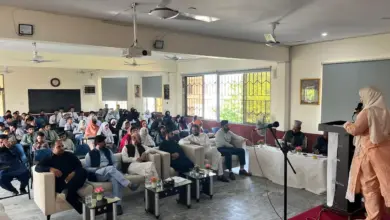
Educational experts, policy specialists, and representatives from government, private institutions, and civil society have emphasized the critical role of non-formal education in tackling Pakistan’s widespread illiteracy. Speaking at a consultative dialogue organized by the Private Schools Network Islamabad, participants called for extensive stakeholder engagement to make the federal education ministry’s first draft Non-Formal Education Policy both practical and effective.
During the session, experts noted that traditional educational methods are insufficient to reach Pakistan’s millions of out-of-school children and illiterate adults. They argued that non-formal teaching strategies offer the best opportunity to bridge this gap and raise literacy levels nationwide. However, they also highlighted systemic challenges, including inadequate coordination between federal and provincial governments following the 18th Constitutional Amendment and the national education policy of 2009. This lack of cooperation, they said, has contributed to the rising number of out-of-school children and hampered progress towards national and international educational targets.
Attendees criticized bureaucratic inefficiencies and ambiguous policies, noting that these factors further impede educational reform and the attainment of policy objectives. They stressed the need for clear, actionable strategies and improved collaboration across all levels of government and educational organizations.
The group agreed to forward their proposals not only to the federal ministry of education but also to relevant parliamentary committees, both local and international donors involved in non-formal education, and private sector investors in the education sector.
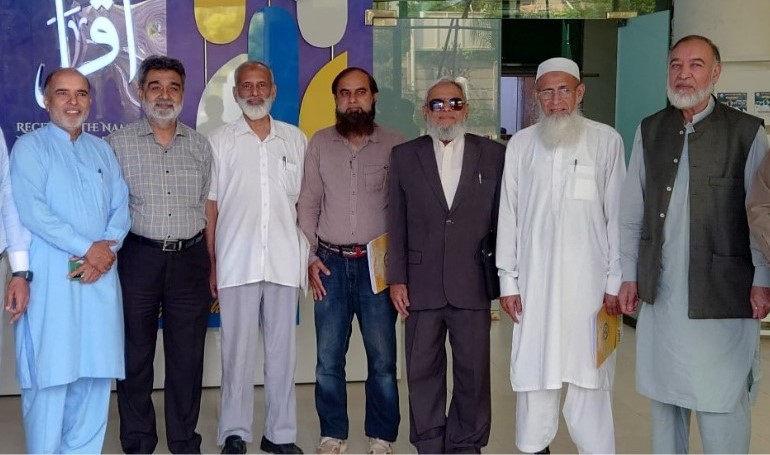
The event was attended by Dr. Muhammad Afzal Babar, founder and president of the Private Schools Network, along with numerous academics, policy specialists, and institution heads, including Dr. Muhammad Saleem, Arshad Saeed Khan, Dr. Tariq Mahmood, Dr. Abdul Rauf Bhutta, and Professor Abdul Waheed Mir, among others. Additional proposals were submitted online by scholars such as Professor Dr. Samia Rahman Dogar, director of the Federal College of Education; Professor Dr. Muhammad Ajmal Chaudhry, head of Non-Formal and Literacy Department at Allama Iqbal Open University; and former federal education official Syed Tajammul Hussain Shah.
Participants concluded that only through rigorous multi-stakeholder consultation and a clear, unified implementation strategy can Pakistan hope to advance its non-formal education policy and make lasting strides in literacy and educational access.