Pakistan

Driving Change for Minimum Marriage Age 18

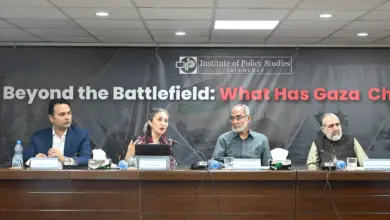
Scholars from ten Muslim countries converged in Islamabad to urge linking the end of early and child marriages to mental maturity and shared ethical responsibility, rooted in Islamic principles that prioritise protection of the vulnerable. The consensus highlighted that setting the minimum marriage age must reflect both religious values and the need to safeguard girls’ physical and mental wellbeing.

The event was organised by the Potohar Organization for Development Advocacy (PODA) in collaboration with the Women Parliamentary Caucus and the Ministry of Human Rights, with support from the Royal Norwegian Embassy. The international conference on age of marriage legislation provided a platform for comparative review of best practices and for charting a way forward across Muslim-majority contexts.

PODA’s three-year initiative Reduce Early Marriages to Enhance Gender Equality, operating across 41 districts of Punjab and due to conclude in November 2025, was showcased as a practical model. The project reached more than 41,000 people and engaged a wide range of stakeholders, including nikah khawans and registrars, parents, mothers, girls, teachers, lady health workers, lawyers, bar association members, academicians, doctors and officials from health, education, police, judiciary, social welfare, Bait-ul-Maal and law departments.

Barrister Aqeel Malik, Minister of State for Law and Justice and Human Rights, traced legal progress on child marriage from 1929 to 2025 and emphasised ongoing efforts to harmonise legislation nationwide. He underlined that legal reform must move in step with social awareness and institutional capacity to ensure the minimum marriage age is effectively enforced.

A representative of the Punjab Commission on the Status of Women, Qaiser Mehmood, reported that the draft Child Marriage Restraint Bill has been finalised and vetted by relevant departments and is now with the provincial cabinet. The bill proposes setting the minimum marriage age for girls at 18, linked to completion of basic secondary education so that young women can acquire skills and education for a dignified future.

Speakers included Deputy Head of Mission Thomas Dahl from the Royal Norwegian Embassy, Secretary Abdul Kalique Sheikh of the Ministry of Human Rights, and Sameena Nazir of PODA. The country paper was presented by Dr. Muhammad Arif Laghari, and the keynote address came from Dr. Shahida Rehmani of the Women Parliamentary Caucus. International contributors sharing perspectives included experts from BRAC University Bangladesh, INFID Indonesia, and scholars from Nigeria, Morocco, Oman, Syria, Tunisia and Yemen alongside leading Pakistani academics.

Recommendations emerging from the conference called for stronger penalties under the Child Marriage Restraint Act, explicit legal recognition of the minimum marriage age at 18 tied to completion of secondary education, and collaboration with Islamic scholars and institutions to carry out community awareness campaigns. Delegates stressed the need for economic and skills programmes for women, active engagement of civil society and religious leaders in awareness sessions, and a clear legislative framework that places the welfare and protection of young girls at its centre.

Related Articles

Leave a Reply

Your email address will not be published. Required fields are marked *

Back to top button