Hajj Issues in Pakistan Senate Discusses Pilgrim Refunds and Management

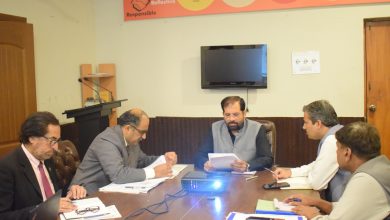
The Senate Sub-Committee on Religious Affairs and Interfaith Harmony convened to examine issues related to Pakistan’s Hajj operations, focusing on the staggering number of over 67,000 pilgrims unable to perform Hajj this year and the procedural challenges faced by private Hajj operators. The meeting highlighted concerns over financial mismanagement, legal hurdles, and the need for systemic reforms to restore public trust and ensure smooth Hajj arrangements in future seasons.
During the session, Federal Secretary for Religious Affairs Dr. Atta-ur-Rehman detailed the quota allocated for Hajj 2024-25, which stood at 179,210 pilgrims, with 90,830 slots designated for private operators. However, Saudi Arabia’s revised policy mandated that operators needed to manage groups of 500 to 2,000 pilgrims—a requirement that none of Pakistan’s 903 registered operators could meet. This restriction, coupled with legal disputes—such as the stay order obtained by the Hajj Operators Association of Pakistan (HOAP)—hampered timely fund transfers and full participation.
The committee discussed the legal challenges faced by private operators, who had transferred significant amounts—approximately 667 million Riyals—into Saudi accounts but failed to meet the strict deadlines for full payment, resulting in many Pakistani pilgrims being denied eligibility. Out of more than 90,000 registered slots, only around 63,844 pilgrims had paid in full, leaving nearly 67,000 beneficiaries deprived of performing Hajj this year. Saudi authorities had extended deadlines twice; however, HOAP’s failure to deposit the remaining funds by the final March 2025 deadline caused frustration and raised questions about the management of funds and operational oversight.
Senator Dinesh Kumar expressed grave concern over the negligence that resulted in such a large number of Pakistanis being deprived of their religious obligation. Meanwhile, Senator Bushra Anjum Butt criticized HOAP’s absence from the meeting, calling it unacceptable given the gravity of the issues discussed. She also highlighted the plight of overseas Pakistanis who, under false promises of confirmed quotas, suffered financial losses and disillusionment—damage that tarnishes Pakistan’s reputation and erodes public confidence in the Hajj process.
In response, Chairman Senator Aon Abbas Buppi directed that all the Rs. 36.43 billion held in Saudi Arabia must be fully refunded to the affected pilgrims by August 15, 2025, without any deductions for exchange losses or service charges. The Ministry of Religious Affairs was also instructed to compile and submit a detailed list of amounts deposited by each private operator and ensure proper public dissemination of the Hajj policy for the upcoming season. These steps aim to restore transparency and trust among prospective pilgrims.
The discussion then shifted to the selection and management of Mashaheer Services, which provide various logistical arrangements for pilgrims. The DG Hajj explained that contracts are awarded based on competitive bidding to Saudi-approved providers. However, concerns were raised over the transparency of the procurement process. A March 2025 letter from then-Federal Minister Chaudhry Salik Hussain questioned the evaluation criteria and the credibility of the shortlisted companies, noting inconsistencies in scoring and evaluation metrics.
Particularly, the committee scrutinized the awarding of contracts to a company that scored a perfect 100/100, despite the minutes revealing questionable evaluation practices—such as a “presentation was weak” remark being used to justify point deductions. The chairman emphasized the urgency of establishing a fully transparent, technology-driven procurement framework with sealed submissions and objective scoring systems to prevent favoritism and ensure fair competition.
Concluding the meeting, the committee recommended the immediate creation of a high-level government commission tasked with overseeing private Hajj operators. This would aim to improve regulatory standards, prevent future failures, and safeguard pilgrims’ interests. The committee also mandated that future policies be communicated transparently and promptly to avoid confusion and mismanagement in upcoming Hajj seasons.