Senate Panel Probes NHA Collusive Practices in CAREC Project

A recent Senate committee meeting has uncovered significant irregularities and possible collusive practices among National Highway Authority (NHA) officials in the awarding of contracts for the Central Asia Regional Economic Cooperation (CAREC) Tranche-III corridor project, spanning Rajanpur, DG Khan, and DI Khan. The investigation has raised concerns about document manipulation, suspicious financial transactions, and the eligibility of key contractors, prompting calls for legal and administrative action.
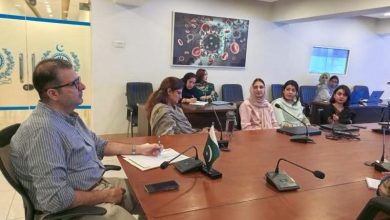
The Senate Standing Committee on Economic Affairs, chaired by Senator Saifullah Abro, examined serious allegations of corruption within the NHA regarding the CAREC Tranche-III project. The committee highlighted that contracts were awarded based on incomplete due diligence, relying solely on auditor sheets without thoroughly verifying the credentials of construction firms, including Dynamic Constructors, Rustam Associates, and Ningxia Communications Construction Co. Ltd (NXCC). The chairman drew attention to NXCC’s ongoing litigation over previous projects, and questioned the nomination of Zafar Hussain Siddiqui as an arbitrator, given his apparent association with companies involved in the bidding process.
Senator Abro presented bank statements allegedly demonstrating Siddiqui’s prior financial connection with NXCC’s joint venture partners. Though NHA officials claimed ignorance of this relationship, the committee viewed it as evidence of official malafide intent and recommended that NHA file a petition in the Supreme Court over the contract award. The Secretary of Communications also demanded explanations from NHA officials on how such oversights were permitted.
The committee further criticized the NHA for providing incomplete records. Instead of full documentation, only selected auditor reports were submitted, which themselves showed concerning signs of collusion and financial discrepancies. Payment records revealed that some contractors received sums exceeding their quoted shares, and there were signs of document manipulation in maintenance work orders and corresponding payments.
Attention was also given to other NHA projects, such as the Gilgit-Shandur Joint Venture Motorway, where similar irregularities were observed. Dynamic Constructors and Rustam Associates, in joint venture with NXCC and the National Logistics Cell (NLC), were paid amounts inconsistent with their contractual shares. Auditor statements indicated repeated document manipulation and a lack of adequate verification procedures within the NHA, especially troubling given the scale of the projects involved.
The committee questioned the relevance of private sector and real estate construction experience, which contractors submitted as qualifications for large-scale public infrastructure projects. Particularly troubling was the inconsistency with NHA’s prior stance that entities like FWO and NLC were not eligible to participate in the CAREC Tranche-III project under Asian Development Bank (ADB) requirements. The acceptance of unverified and potentially irrelevant financial records was also brought into question.
Senator Abro pointed out a broader pattern of inflated claims and payments in NHA projects, exemplified by the Routine Maintenance Account. Further alarm was raised over the handling of the Hanzol Hydropower Project, where contract awards, work completion, and bid submissions showed suspicious timelines and documentation. The records suggest that NXCC, previously disqualified for fraudulent practices in a related project, was somehow later deemed eligible for the much larger CAREC Tranche-III award.
After months of investigation, the Senate committee concluded that there had been substantial irregularities and collusion in awarding the CAREC Tranche-III contract to NXCC, Dynamic Constructors, and Rustam Associates. The committee has instructed the NHA to submit comprehensive, verified payment records and supporting documents from the past three years, including bank statements, tax returns, and all technical proposals associated with the project, within two weeks.
The proceedings were attended by senior government officials and members of the Senate, who expressed deep concern over the findings and emphasized the need for full transparency and accountability in Pakistan’s highway infrastructure projects.