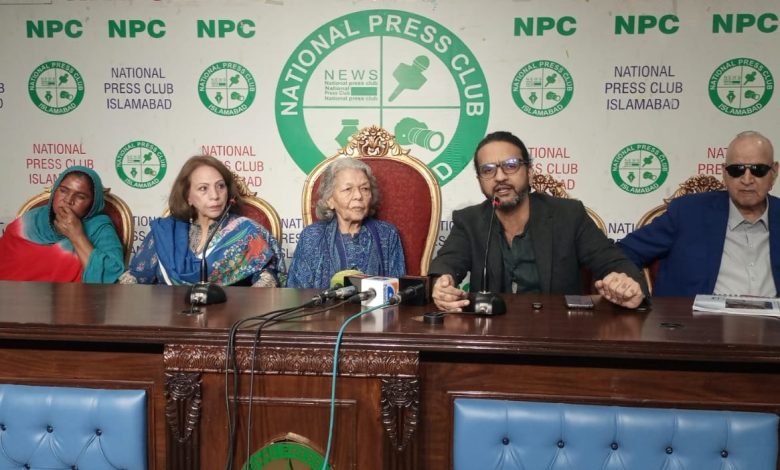
A coalition of civil society groups has called for an immediate halt to planned demolitions and forced evictions in Islamabad, warning that residents of Allama Iqbal Colony face clearance in the coming week. The All Party Alliance for Katchi Abadis, Human Rights Commission of Pakistan, National Commission for Justice and Peace, Awami Workers Party, Aurat March Islamabad and allied organisations say the 25-year-old, predominantly Christian working-class settlement and other communities are under imminent threat.
They reject the Capital Development Authority’s pattern of evictions carried out without due process, adequate notice or lawful rehabilitation and describe the actions as part of a wider campaign targeting low-income residents of katchi abadis across the city. The coalition notes the continued disregard for the 2015 Supreme Court stay-order and says the absence of a coherent, rights-based policy demonstrates a troubling erosion of legal protections for marginalised citizens.
The groups emphasise that evictions amount to an assault on housing, dignity and livelihoods, with women and children particularly exposed to displacement-related risks. The climate of fear surrounding planned clearances undermines the ability of katchi abadis residents to organise, access services or seek redress, they warn.
The coalition has demanded that authorities immediately stop all eviction operations, including in Allama Iqbal Colony and Rimsha Colony, and fully comply with existing judicial directives. They reminded the CDA that it is bound by prior Supreme Court orders to prepare and submit comprehensive policies for informal settlements, a step provinces have already completed.
As a longer-term remedy, the coalition urged the government to adopt a transparent, inclusive and rights-compliant national framework guaranteeing security of tenure (malikana huqooq), meaningful consultation with affected communities, fair resettlement within a reasonable radius and adequate compensation where displacement cannot be avoided. They also called for accountability for arbitrary or unlawful actions taken in the name of urban development.