Pakistan

Power Wheeling Reforms and Green Grids for Pakistan’s Industry

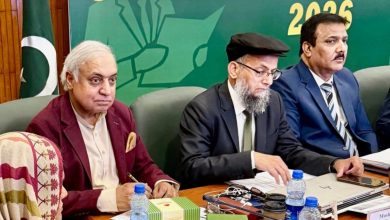
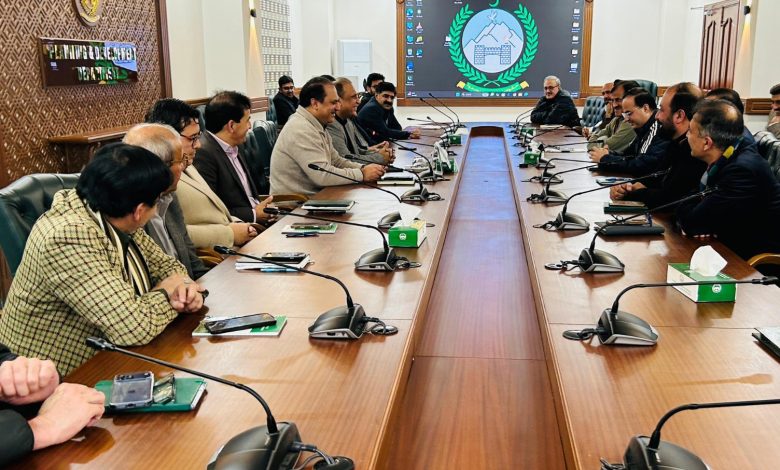
Experts at a recent policy dialogue have underscored the urgent need for power wheeling reforms and the adoption of smart green grids in Pakistan as vital steps to boost industrial competitiveness, enable renewable energy integration, and meet international trade requirements such as the EU Carbon Border Adjustment Mechanism (CBAM). The event, organized by the Sustainable Development Policy Institute (SDPI) and the Overseas Investors Chamber of Commerce and Industry (OICCI), brought together industry leaders, policymakers, and technical experts to chart a path for modernizing Pakistan’s electricity sector.

At the dialogue, participants examined the Competitive Trading Bilateral Contracts Market (CTBCM) and its wheeling regulations as transformative measures to shift the sector from a single-buyer monopoly to a multi-buyer, competitive market. Abdul Aleem, Secretary General of OICCI, highlighted that reliable, clean, and cost-effective power is essential for the global competitiveness of Pakistani industries, especially export-dependent sectors like textiles. He pointed out that well-crafted reforms could help Pakistan comply with emerging international standards such as CBAM and stressed the importance of decarbonizing both industrial processes and the national grid.

Ayla Majid, President of ACCA Global and CEO of Planetive, stressed that aligning power sector reforms with Pakistan’s industrial strategy is a pressing need. She explained that while power wheeling is an established practice worldwide, Pakistan’s framework must introduce cost-reflective tariffs and encourage the use of renewable energy. Without these changes, she warned, industries could remain burdened with unaffordable tariffs and persistent supply challenges. She also cited the need for investments in grid modernization and flexibility to alleviate sector bottlenecks.

The panel discussion featured Mujtaba Khan, CEO of Reon Energy, who pointed to ongoing voltage and reliability issues in the national grid, which limit the effective integration of renewables. He identified distribution companies as the weakest link in the power supply chain, noting that genuine results would require comprehensive reforms across generation, transmission, and distribution.

Muhammad Aamir Ghaziani, CFO of K-Electric and Chairman of K-Solar, advocated for modernizing the network before launching CTBCM. He suggested privatizing transmission and distribution networks to attract investment, enhance efficiency, and ensure fair access. Dr. Khalid Waleed, Research Fellow at SDPI, highlighted the importance of reforms that balance industrial growth with consumer protection, emphasizing the need for social safeguards and verifiable low-carbon supply chains to meet global trading demands.

Ahmad Qazi, Senior Director at the Independent System and Market Operator (ISMO), outlined ISMO’s commitment to neutrality and transparency in the electricity market, underscoring the need to balance short-term costs with long-term benefits such as lower power purchase prices and reduced public investment.

Engr. Ubaid ur Rehman Zia, Head of SDPI’s Energy Unit, spoke about the rapid adoption of solar photovoltaic systems across industrial, residential, and agricultural sectors, with net metering capacity recently reaching 8,000 MW. He noted the critical importance of integrating this solar growth with the national grid, emphasizing investments in grid flexibility and modernization.

Engr. Ahad Nazir, Head of SDPI’s Center for Private Sector Engagement, emphasized that investments in new power generation capacity directly drive economic growth and industrial competitiveness. He advocated for liberal market structures like CTBCM to foster efficiency and accelerate the transition to clean energy, while also highlighting the necessity of policy consistency, stakeholder coordination, and inclusive governance to ensure successful implementation of reforms.

The dialogue concluded with a consensus on the need for coordinated, well-planned reforms that not only unlock the potential of competitive electricity markets but also position Pakistan’s industries to succeed in an evolving global landscape.

Related Articles

Leave a Reply

Your email address will not be published. Required fields are marked *

Back to top button