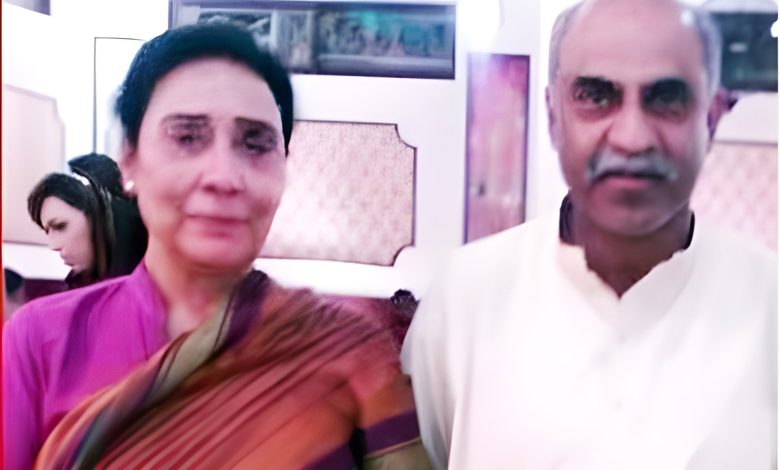
Leaders of the Pakistan Peoples Party Workers, including Dr Safdar Ali Abbasi (President), Nahid Khan (political aide to the late Benazir Bhutto) and Fayaz Khan (Senior Vice President), have voiced deep concern and condemned recent convictions in the Toshakhana matter that sentenced the Pakistan Tehreek-e-Insaf chairman and his wife.
They expressed alarm at the use of anti-terrorism courts and the imposition of harsh sentences on senior PTI figures, including Mahmoodur Rashid, Dr Yasmin Rashid—a senior leader battling cancer—and former Punjab governor Umar Cheema. Such measures raise serious questions about fair procedure, proportionality and protection of basic human rights, and feed perceptions of selective justice in politically charged cases.
The PPP Workers stressed that the selective application of accountability laws and alleged bench selection practices damage public confidence in the judicial system. These actions, they warned, risk creating the impression of political retribution rather than impartial justice, a message that is troubling both within Pakistan and to the international community. They pointed to painful historical examples as reminders of what can follow when political pressure influences legal outcomes.
The party demanded that enforcement of Toshakhana regulations be uniform, transparent and non-discriminatory. They called for a full public accounting of items received from Toshakhana, including market values, amounts paid and the legal grounds for any exemptions, so that judicial processes remain credible and open to public scrutiny.
PPP Workers argued that the prolonged detention of a former prime minister and lengthy custody of prominent political leaders cannot be treated as mere internal matters. Such developments prompt difficult questions about Pakistan’s democratic values, political pluralism and the rule of law when political disputes appear to be settled in courts and jails rather than through elected institutions.
They urged that political differences be resolved through dialogue, negotiation, constitutional channels and ultimately free, fair and transparent elections, not through selective justice or forced confinement. For a sustainable democracy, tolerance, fairness and respect for basic human rights must be upheld.
The statement concluded with an appeal to all state institutions to honour the spirit of the 1973 Constitution, ensure equal application of the law and prevent the repetition of historical injustices that have harmed the nation. They reiterated the call for justice, not revenge, and for democracy, not dictatorship.