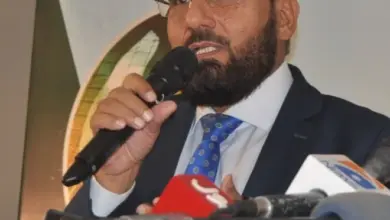
Dr Asim Ijaz, a UK-based consultant and international faculty member of the Royal College of Emergency Medicine, has warned that hospitals across Pakistan continue to lose preventable lives because of gaps in emergency training and system readiness. He says strengthening Emergency Medicine must become an urgent national priority to improve early diagnosis and timely care.
Ahead of an RCEM certification and training session in Islamabad on October 27, Dr Ijaz highlighted routine problems in emergency departments, including undertrained staff, delayed recognition of critical illness, and fragmented clinical leadership. He warns these weaknesses translate directly into avoidable deaths and missed opportunities for life‑saving interventions.
Dr Ijaz cited harrowing cases to illustrate the scale of the problem: a young motorcyclist whose internal abdominal bleeding went undetected for hours, and a patient with mild stomach pain who was later confirmed to have had a heart attack. Such examples, he notes, are symptomatic of the absence of structured emergency systems and standardized training that could have altered the outcomes.
For more than a decade Dr Ijaz has focused on building a new generation of emergency physicians in Islamabad and Rawalpindi through workshops, simulation-based courses and clinical mentorship. His training emphasizes trauma care, sepsis management, critical care principles and rapid decision-making under pressure, all core elements of modern Emergency Medicine practice.
The RCEM Emergency Medicine Foundation Programme launched in Pakistan five years ago is presented as a model for structured training. The one-year curriculum equips junior doctors with global-standard competencies by blending classroom learning with real-time simulations, local supervision and ongoing mentorship from RCEM faculty in the UK. Trainees use an RCEM e-portfolio for progress tracking and gain access to webinars, online resources and international conferences.
Several programme graduates have gained clinical experience in the UK and returned to Pakistan to serve as clinical mentors and educators, helping to strengthen local leadership pipelines. Dr Ijaz also co-leads the cHALO EM Leadership Initiative to foster innovation, teamwork and resilience among emergency professionals, and he supports the Pakistan Society of Emergency Medicine Annual Conference 2025 as a platform for sharing best practices.
Dr Ijaz stresses that the goal is not only to produce skilled clinicians but to build a national emergency response system that works from triage to transfer. He calls for policy alignment, standardized curricula and sustained investment in Emergency Medicine education, arguing that every life lost to preventable delay is a leadership failure and that sustained education, mentorship and international collaboration can help ensure emergency rooms save lives.