Lung cancer begins when abnormal cells in the lung grow in an uncontrolled way, forming tumours that can affect breathing and overall health. Early recognition of symptoms and timely medical attention are essential for better outcomes.
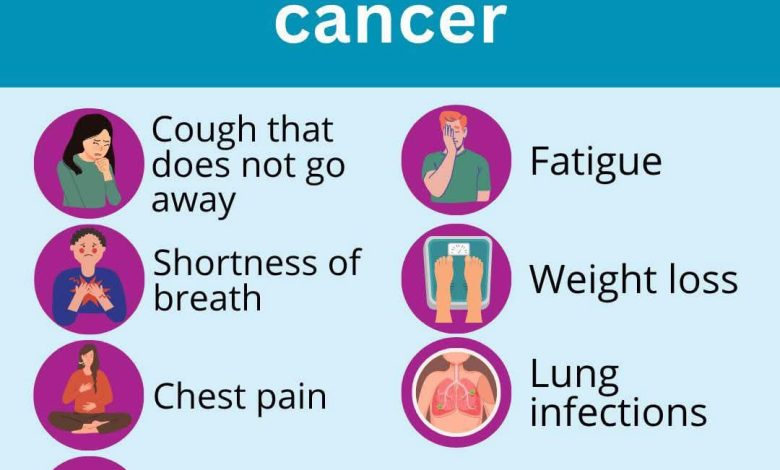
Common symptoms to watch for include a cough that does not go away, chest pain, shortness of breath, coughing up blood (haemoptysis), persistent fatigue, unexplained weight loss and lung infections that keep recurring. Anyone in Pakistan experiencing these signs should consult a healthcare provider without delay, especially if symptoms persist or worsen.
Diagnosis of lung cancer relies on a combination of clinical assessment and tests. A physical examination is followed by imaging such as chest X-rays and computed tomography scans to visualise the lungs. Bronchoscopy allows direct inspection of the airways and collection of samples, while a biopsy confirms cancer by examining tissue under a microscope. Molecular testing may be used to identify specific genetic mutations or biomarkers that guide targeted treatments.
Prevention focuses on reducing exposure to known risk factors. Avoiding smoking and secondhand smoke is the most effective measure, and efforts to cut air pollution and control workplace hazards such as asbestos and industrial chemicals are important in urban and industrial areas of Pakistan. Public awareness, smoking cessation support and stronger occupational safety can lower the burden of lung cancer over time.
Treatment choices depend on the type of lung cancer, how far it has spread and the individual’s medical history. Options include surgery, radiotherapy, chemotherapy, targeted therapy and immunotherapy, often used in combination and tailored to the patient. Early detection increases the range of effective treatments available, so seeking prompt evaluation remains critical for improving survival and quality of life.