Solangi seeks 85pc health warnings on cigarette packs, complete TAPS curbs

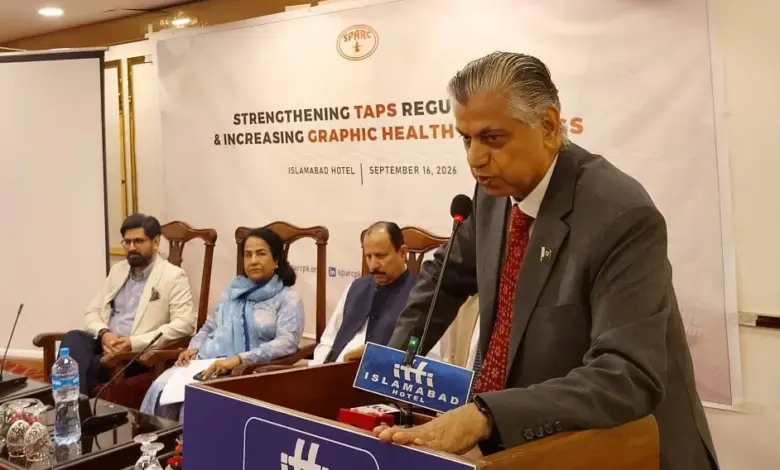
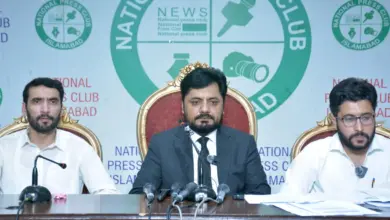
ISLAMABAD, Sept 16, 2026: Speakers at a session organised by the Society for the Protection of the Rights of the Child (SPARC) called for increasing graphic health warnings on cigarette packs to at least 85 per cent and strengthening restrictions on tobacco advertising, promotion and sponsorship (TAPS) to protect young people from tobacco-related harms.
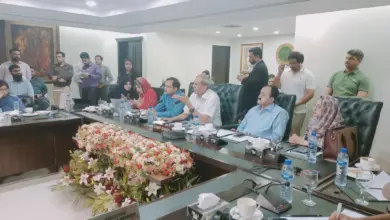
The session, titled “Strengthening TAPS Regulations and increasing Graphic health warnings on Cigarette packs,” brought together policymakers, government officials, health experts, journalists, civil society representatives, academics, media professionals and youth ambassadors to discuss tobacco control measures for present and future generations.
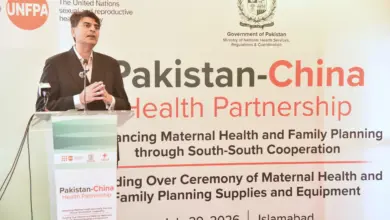
Addressing the session as chief guest, Murtaza Solangi, Spokesperson to the President of Pakistan, said tobacco continued to take lives and stronger action was needed to reduce its use, particularly among youth. He said bold steps such as banning tobacco advertising, promotion and sponsorship and increasing the size of graphic health warnings were essential to saving lives.
Mr Solangi said tobacco kills more than eight million people globally every year. He added that if Pakistan wanted to build a tobacco-free generation, it must strengthen TAPS regulations and raise the coverage of graphic health warnings to at least 85 per cent.
He said these measures could help reduce the appeal and visibility of tobacco products, especially among young people, and contribute to protecting the health and wellbeing of current and coming generations.
Member of the National Assembly Huma Akhtar Chughtai said young people were exposed not only to direct advertising but also to indirect promotional methods, including attractive packaging, event sponsorships and online content. She said such tactics could make tobacco products appear less harmful or even appealing.
Ms Chughtai said Pakistan had made notable progress in tobacco control, but much more still needed to be done. She noted that despite existing regulations, different forms of tobacco advertising, promotion and sponsorship remained visible and required comprehensive action.
She appreciated SPARC’s efforts and expressed full support for strengthening TAPS regulations and expanding graphic health warnings to 85 per cent to better protect youth and future generations.
Dr Khalil Ahmad Dogar, Programme Manager at SPARC, said promotional activities continued to influence consumer behaviour in subtle ways despite current restrictions. He said countries that enforced complete bans on all forms of TAPS had seen significant declines in tobacco consumption, particularly among children and youth.
Dr Dogar said Pakistan had made progress in tobacco control, but further measures were required to remove gaps and ensure consistent enforcement. “The time has come for a total ban on all direct and indirect promotional means,” he said.
He also said strong and regularly updated graphic health warnings were proven, life-saving interventions that encouraged smokers to quit and discouraged non-smokers from starting tobacco use.
Anees Sukhera, Country Representative of CTFK, said tobacco advertising, promotion and sponsorship continued to influence youth. He said Pakistan could protect its youth by closing gaps in TAPS regulations and enforcement and by strengthening graphic health warnings to cover 85 per cent of cigarette packs.
“Strengthening these measures can help create a safer and healthier environment for youth and contribute to a tobacco-free future for the present and upcoming generations,” he said.
Prof Dr Matiur Rahman, Dean of Allied Health Sciences, Lung Diseases and Tobacco Control at the Health Sciences Academy, said tobacco affected not only public health but also placed a substantial burden on the healthcare system and economy.
“As we gather to acknowledge tobacco control measures, our shared responsibility is to foster a culture that prioritises health, well-being, and the prosperity of our nation,” he said.
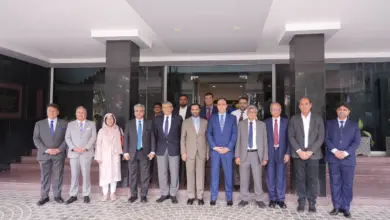
The session was also attended by Sajjad Ahmed, DG Operations Broadcast PEMRA; Dr Waqar, Director Prime Minister Youth Programme; Muhammad Aftab Ahmad of the Tobacco Control Cell; and other decision-makers.
Participants focused on the need to implement graphic health warnings covering 85 per cent of cigarette packs and enforce TAPS regulations to protect current and future generations from the harms of tobacco.