ISLAMABAD: Pakistan has taken a step towards bringing artificial intelligence and advanced digital tools into the education sector, with Daanish School Kuri in Islamabad selected as the first pilot campus for an AI-based personalised learning programme being developed under the Prime Minister’s vision.
The initiative is being pursued jointly by the Pakistan Digital Authority (PDA), the Ministry of Federal Education and Professional Training and the Daanish Schools Authority. The proposed system will use artificial intelligence to support learning according to each student’s needs, abilities and academic progress.
A high-level meeting in this regard was chaired by PDA Chairperson Dr Sohail Munir at the Authority’s headquarters on November 4. Officials from the Education Ministry and Daanish Schools attended the meeting, which reviewed plans for an AI-based curriculum and an adaptive learning system capable of adjusting lessons in line with students’ learning requirements.
Under the proposed framework, the Ministry of Federal Education and Professional Training and the Daanish Schools Authority will lead the project, while PDA will extend technical assistance, provide guidance on digital systems and help coordinate the implementation process.
The participants also examined global examples of technology-driven education, including Singapore’s education system. They discussed the possibility of setting up joint working groups to prepare plans for integrating AI into the curriculum, introducing modern education technology and strengthening digital facilities in schools.
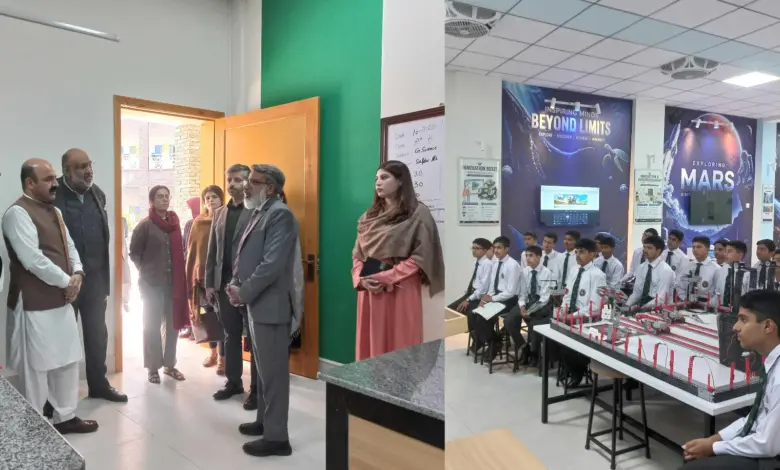
On November 10, Dr Sohail Munir led a delegation to Daanish School Kuri to inspect the campus and assess its readiness for the pilot programme.
The delegation visited classrooms, laboratories, digital infrastructure and technology-based learning facilities. It also reviewed teacher training arrangements, including a proposed Training of Trainers programme, along with activities already under way in the fields of artificial intelligence and robotics.
The discussions at the campus covered AI-supported personalised education, digital Learning Management Systems, smart classrooms, technology-enabled teacher development, future skills and innovation laboratories.
A key feature of the proposed programme is the development of detailed digital profiles for every student. These profiles will go beyond examination results and academic performance, helping schools understand students’ interests, abilities, personal growth and well-being.
The objective is to enable teachers to better understand how individual students learn and to provide guidance and support according to their strengths and needs.
Dr Sohail Munir said PDA was committed to supporting the national initiative by bringing educational institutions and technology experts on one platform. He said modern technology could help create better learning opportunities for students from underserved and disadvantaged backgrounds.
Daanish Schools are a flagship initiative of the Prime Minister aimed at providing quality education to talented students from less privileged families. The new pilot is expected to examine how digital technology can help narrow the education gap and enable these students to compete with children studying in leading education systems globally.
The delegation included PDA officials Dr Henna Karamat, Muhammad Salman Iqbal and Sara Obaid Ul Islam, Tabadlab Director Shahab Siddiqi, Education Ministry Deputy Secretary Shah Jehan and Daanish School Kuri Principal Asghar Awan.
PDA Chief of Staff Sophia Hasnain and Director Curriculum Dr Tabassum also attended the November 4 meeting.
The initiative forms part of PDA’s broader role under the National Digital Master Plan, which seeks to use technology and inter-institutional cooperation to improve different sectors.
PDA aims to help develop a model for technology-based education that may later be introduced in other schools across Pakistan. The plan is designed to improve student learning, strengthen teachers’ skills and expand educational opportunities for children across the country.