Students of Quaid-e-Azam University have expressed serious reservations over the cancellation of the summer session and closure of hostels, demanding an immediate reversal of these decisions to avoid disruption of their studies.
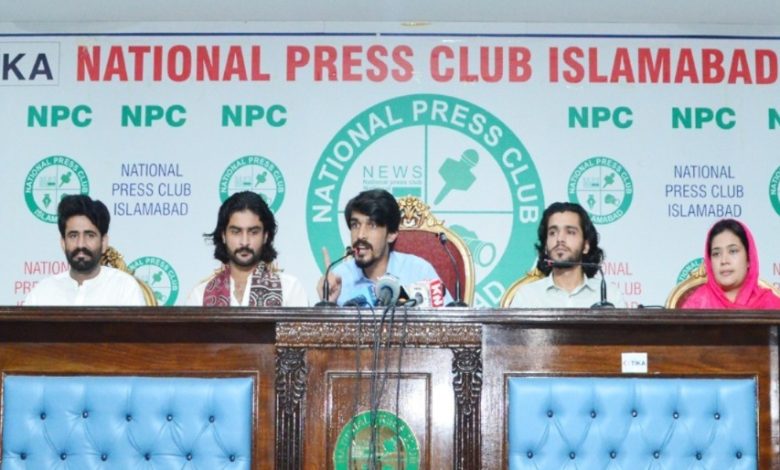
Addressing a news conference at the National Press Club Islamabad, Inam Tareen, Chairman of the Pakhtoon Council from the Quaid-e-Azam University’s Students Federation, along with fellow students raised concerns about the negative impact these decisions will have on students’ academic progress. He emphasized that approximately 300 students would suffer academically if the summer session remains cancelled, as many enroll during summer sessions to improve their grades or clear failed courses. Without the summer session, students risk being dropped due to insufficient grades.
Inam Tareen criticized the Acting Vice Chancellor for alleged unilateral decision-making, questioning the rationale behind cancelling the summer session. According to the administration, only five weeks are available for holidays, insufficient to conduct the summer session. However, Tareen pointed out that summer sessions typically require six weeks, and yet the university administration insists on reopening the university in September, disregarding standard practices.
Furthermore, Tareen highlighted the issue of arbitrary hostel closures conducted under the pretext of renovation every summer, causing unnecessary hardship for the students. He added that despite significant accommodation challenges and no new boys’ hostel having been built in the past seven years, students have refrained from street protests to preserve the university’s dignity. He demanded that the ongoing hardship be addressed immediately, asserting that staying in hostel accommodation without disruption is the fundamental right of all students.
Calling on concerned authorities to urgently reconsider these decisions, students warned that their education and future prospects are at stake. Although frustrated by these actions, the student leadership affirmed their commitment to peaceful methods to resolve issues instead of resorting to agitation.