Afghanistan Four Years On Governance and International Engagement

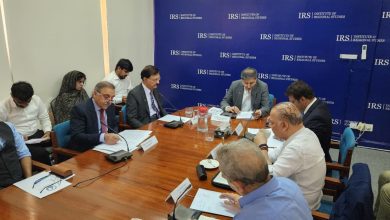
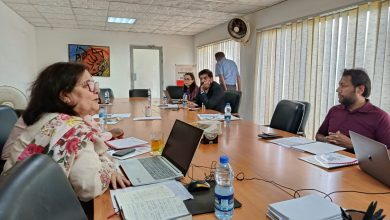
The Centre for Afghanistan, Middle East and Africa (CAMEA) at the Institute of Strategic Studies Islamabad (ISSI) recently hosted a webinar examining four years of Taliban rule in Afghanistan, focusing on governance, domestic developments, and the country’s evolving position on the world stage. The event brought together diplomats and regional experts who offered varied perspectives on Afghanistan’s achievements and ongoing challenges under the Islamic Emirate.
Ambassador Khalid Mahmood, Chairman of ISSI, opened the discussion by highlighting both the Taliban’s consolidation of power and their increased diplomatic outreach, which includes symbolic recognition from Russia. He pointed out, however, that wider international recognition remains elusive due to concerns over human rights, political inclusivity, and terrorism. Mahmood acknowledged progress in restoring order within Afghanistan, but said the continued presence of militant groups like ISKP, Al-Qaida, and the TTP is a significant worry. Discussing relations with Pakistan, he noted both ongoing security challenges and steps toward cooperation, such as the exchange of ambassadors and the revival of a joint coordination body. He urged continued diplomatic engagement to foster regional connectivity and address mutual concerns.
Ms. Amina Khan, Director of CAMEA, reflected on the Taliban’s four years in power since taking control after the fall of Kabul. She credited the regime with bringing stability, curbing corruption, banning opium poppy cultivation, and expanding diplomatic relations. Nonetheless, she stressed that these gains are undermined by the Taliban’s failure to deliver promised reforms under the Doha Agreement, especially regarding human rights, the status of women and girls, political inclusivity, and counter-terrorism efforts. She concluded that the government’s record remains mixed and transitional, marked by persistent shortcomings.
Ambassador Sardar Ahmad Shakeeb, Afghanistan’s envoy to Pakistan, presented a positive view of developments, asserting that the country has secured nationwide stability, eradicated narcotics production, and established a functioning justice system. He highlighted moves toward economic self-sufficiency through major initiatives in agriculture, energy, and infrastructure, as well as social programs for vulnerable groups. On foreign affairs, Shakeeb underscored Afghanistan’s diplomatic engagement with over 100 countries and called Russia’s recognition a milestone that signals growing international integration.
In contrast, Ambassador Mansoor Ahmad Khan, Pakistan’s former envoy to Afghanistan, acknowledged improvements in security and governance but cautioned that sanctions, lack of formal recognition, and the Taliban’s failure to protect women’s rights and promote girls’ education remain serious obstacles. He pointed out internal divisions within Taliban ranks between hardliners and moderates, warning that Afghanistan’s path forward depends on its willingness to reform. He emphasized that persistent terrorism hampers regional economic cooperation and stressed the need for constitutional reforms that reflect the aspirations of the Afghan people.
Adam Weinstein, Deputy Director at the Quincy Institute in Washington, remarked that while the United States remains Afghanistan’s largest donor, the issue has become less of a priority for Washington. He observed that both the Taliban and Afghan society have demonstrated resilience in the face of reduced aid, but argued that further progress depends on the Taliban meeting the international community halfway by implementing reforms. Weinstein also criticized current U.S. policy as inconsistent, and described the Doha process as largely ineffective.
Dr. Flavius Caba-Maria, President of MEPEI in Romania, echoed concerns over Afghanistan’s ongoing international isolation, noting that while regional engagement and Russian recognition have increased, most countries have stopped short of broader acceptance. He acknowledged improvements in security and efforts to reduce drug production, but drew attention to the continuing humanitarian crisis and the forced return of refugees. On Europe’s approach, he said that while the EU remains preoccupied elsewhere, it continues to coordinate aid without offering recognition, and suggested that a more pragmatic policy is needed to match realities on the ground.
Concluding the event, Ambassador Mahmood said Afghanistan stands at a critical juncture. He noted that the Taliban’s engagement with international and regional actors reflects an understanding of the need for cooperation, and emphasized that progress toward inclusive governance and responsiveness to global concerns will be essential for Afghanistan’s future stability, development, and integration into the international system.