Cambridge Under Fire: Pakistan’s Parliament Slams CIE Over Exam Paper Leaks, Delayed Inquiry, and Regulatory Evasion

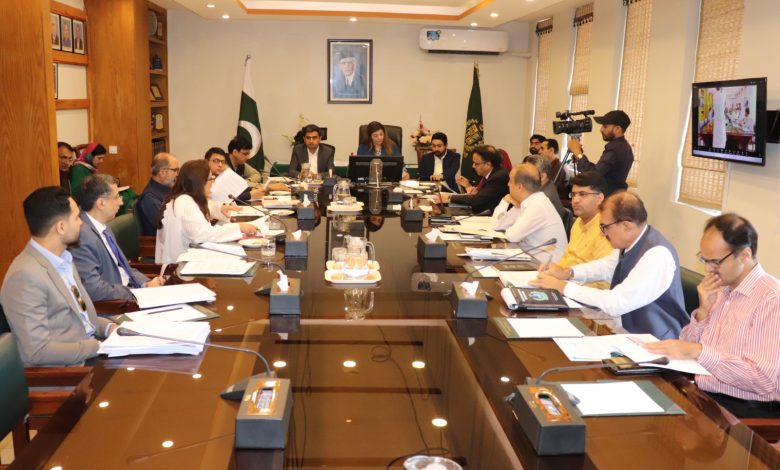
Islamabad (Nadeem Tanoli) A storm of criticism engulfed Cambridge International Education (CIE) during a pivotal session of the Pakistan National Assembly’s Sub-Committee on Education, as lawmakers and regulators expressed growing alarm over repeated exam paper leaks, delayed inquiries, and the board’s non-compliance with Pakistani legal frameworks.
The scandal centers on the confirmed leak of AS & A Level examination papers, which triggered widespread distress among students and parents. Rather than offering a retest or pursuing accountability, Cambridge opted for “calculated assessment,” assigning grades based on students’ performance in other papers. The decision, widely seen as opaque and academically unjustifiable, drew harsh condemnation. “How can a student’s performance on one paper justify grades on another?” asked MNA Ali Sarfraz, calling the approach both unfair and pedagogically flawed.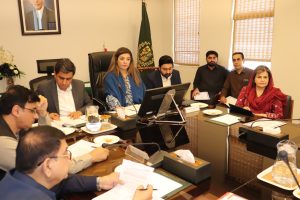
The Inter Board Committee of Chairmen (IBCC), the statutory regulator for foreign examination boards under the IBCC Act of 2023, revealed that CIE failed to submit a formal inquiry report on the 2024 paper leak — despite repeated official communications and even judicial intervention by the Sindh High Court. “Under the Act of Parliament, we are the regulator. Cambridge continues to ignore our inquiries and has yet to submit last year’s paper leakage report — which was supposed to be concluded within three months,” stated IBCC CEO / Secretary Ghulam Ali Mallah.
Cambridge’s Country Director, Uzma Yousuf, faced intense scrutiny for withholding inquiry details during the committee meeting, citing media presence as a barrier. Her claim that such disclosures would be made in a future session without press coverage raised serious questions about transparency and institutional accountability.
Further compounding concerns, the IBCC disclosed that over 400 new examination centers are expected to open under the “Independent Schools Program” next year — yet only 22 have formally submitted their data. This regulatory gap underscores a broader compliance failure. “Many of our existing regulations have yet to be implemented,” noted the IBCC chief, calling for immediate reforms.
Lawmakers also raised the issue of Cambridge’s steep and unregulated fee structure, with O Level papers reportedly costing PKR 30,000–35,000 per subject and A Level fees reaching PKR 50,000–60,000. The lack of standardized pricing has placed immense financial pressure on families. “There is no fee regulation in place yet, but this is clearly within our mandate,” confirmed an IBCC representative.
While Cambridge’s official submission claims that it operates “in close alignment” with local laws and authorities, its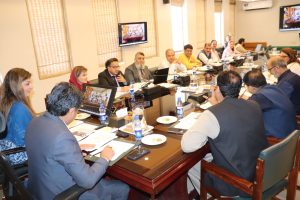 continued refusal to directly engage with the IBCC — instead routing correspondence through the Ministry of Education — has eroded its credibility. Meanwhile, its characterization of confirmed leaks as “rare” appears increasingly disingenuous in light of recurring security breaches and growing public mistrust.
Sub-Committee Convener MNA Sabeen Ghauri recommended that Cambridge offer localized versions of its exams exclusively for Pakistani students, in order to prevent cross-border leak impacts from Zone IV countries. She also demanded a written guarantee that such incidents would not recur.
With over 150,000 Pakistani students relying on Cambridge qualifications annually, the stakes are higher than ever. At the heart of the controversy are the 2024 and 2025 exam paper leakages — and the deeply flawed response that followed. “Calculated assessment” in lieu of proper exams has been condemned as unjust and inadequate.
As the sub-committee moves toward issuing decisive recommendations, Cambridge faces mounting pressure to reform its operations in Pakistan and is expected to submit a full response by June 16, following a complete investigation into the leakages.