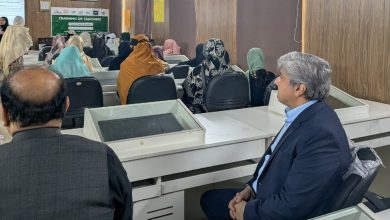
Pakistan’s energy security is at a critical crossroads as experts urge an urgent and sustained move toward renewable energy to reduce reliance on costly imported fuels.
Members of the Pakistan Renewable Energy Coalition and the Alliance for Climate Justice and Clean Energy released an Energy Security Charter that highlights structural weaknesses in the national energy system. Recent geopolitical shocks have exposed how dependence on oil, diesel, and imported gas strains foreign exchange reserves and worsens environmental degradation, leaving the country vulnerable to external price shocks.
The Charter calls for a decisive pivot to renewable energy, with a particular focus on deploying large scale solar and wind alongside energy storage. Dr Khalid Waleed stressed the need for investment in battery energy storage systems to stabilise the grid and enable greater use of intermittent renewables, and urged immediate removal of taxes and duties on BESS and related equipment to speed deployment at both grid and end-user levels.
Restoring the previous net metering regime for solar is another central demand. Khadim Hussain noted that recent measures, including a 10 percent GST on solar, have created obstacles for rural households and small businesses seeking affordable power. Reinstating net metering would incentivise rooftop solar uptake, lower household dependence on the grid and reduce demand for imported fuels.
The Charter also recommends halting further expansion of fossil fuel infrastructure and revisiting large hydropower projects that risk environmental harm and long-term lock in. It proposes cancelling or renegotiating contracts with independent power producers that run on fossil fuels, pointing out excessive capacity payments and poor returns on public spending. Redirecting public funds toward renewable energy and storage could ease fiscal pressure and build a more resilient system.
To tackle transport sector emissions and oil imports, the Coalition urges the government to prioritise domestic electric vehicle manufacturing and a national charging network, supported by fiscal incentives for local makers. The Charter also promotes community based solutions such as mini grids and solar sharing collectives to expand equitable access to clean energy in underserved rural areas.
Finally, the experts call for renegotiation of international finance terms, including IMF agreements, so that climate and energy transition goals are embedded in lending structures. Long term policy reform rather than short term fixes is presented as essential to protect foreign reserves, fiscal health and environmental sustainability.
The Energy Security Charter offers a roadmap that links energy independence, economic stability and climate resilience, urging policymakers to move quickly on renewable energy, storage, net metering restoration and EV incentives to secure Pakistan’s energy future.