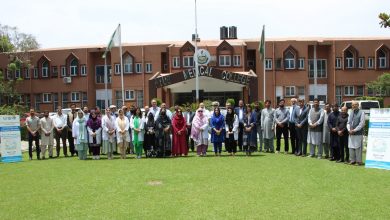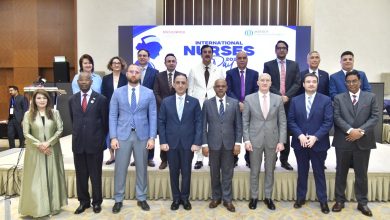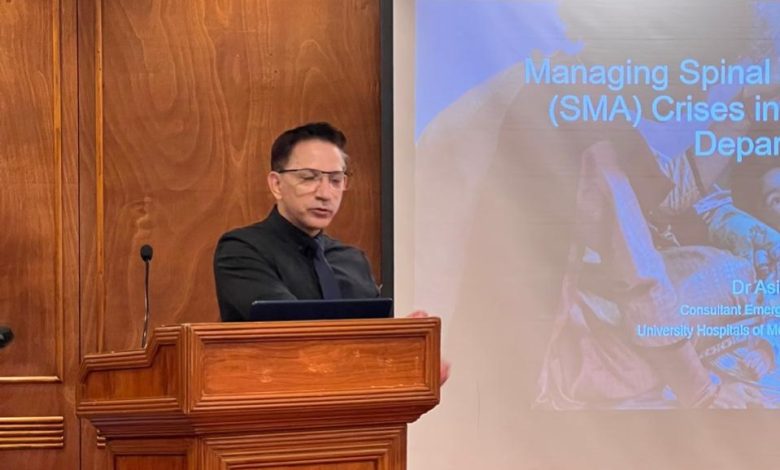
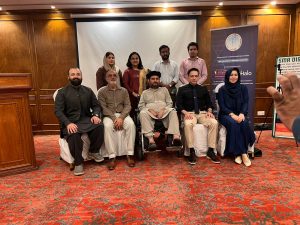
At a national Strive Foundation event in Islamabad, UK-based emergency physician Dr Asim Ijaz urged Pakistani emergency departments to adopt specific SMA emergency practices to prevent avoidable deaths. Drawing on his experience as a consultant in Emergency Medicine and faculty roles with the Royal College of Emergency Medicine and cHALO, Dr Asim said the immediate priorities in a crisis are clinical observation, family input and tailored interventions rather than relying on single numerical readings.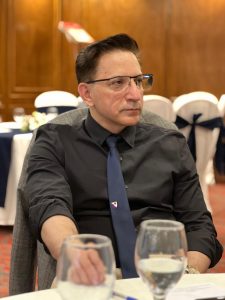
Dr Asim reminded clinicians that patients with spinal muscular atrophy are physiologically fragile, describing them as a glass already 90 percent full, where a minor illness or small fluid imbalance can precipitate catastrophic collapse. He warned that respiratory failure is the leading cause of death in SMA and that standard markers such as oxygen saturation can be misleading if assessed in isolation. He recounted a case where a child with 95 percent saturation showed paradoxical breathing and was close to respiratory arrest, underscoring the need to prioritise clinical signs over sole dependence on monitors.
Families, he said, are crucial to recognizing early deterioration. Caregivers often know the child’s baseline better than any clinician and can flag subtle changes that machines miss. Dr Asim urged emergency teams to listen and treat parents as the most valuable diagnostic resource when managing SMA emergency presentations.
Dr Asim highlighted common and dangerous errors to avoid. Sedatives and respiratory depressant medicines can trigger respiratory arrest in SMA patients; he described an incident where an eight-year-old suffered hypoxic brain injury after receiving a sedative for anxiety. He advised using non-sedative strategies for comfort and warned against respiratory-suppressing cough syrups and similar agents.
Fluid management requires caution because SMA patients typically have low muscle mass and a lower true dry weight. Standard bolus dosing based on apparent weight risks fluid overload and worsening respiratory distress. Dr Asim recommended smaller, reassessed aliquots of fluid—around 5 ml/kg at a time—with close reassessment after each dose to avoid overhydration.
To provide a practical framework for stabilising patients, he introduced the SMART approach: Support breathing and manage secretions, Metabolic and hydration state, Airway with aspiration risk in mind, Review baseline and seek help early, and Trigger identification such as infection or dehydration. He said SMART helps ER teams act quickly while reducing the most common pathways to deterioration in SMA emergency care.
As a system-level reform, Dr Asim proposed a national SMA Alert Card to be carried by patients or caregivers containing diagnosis, baseline observations and clear do’s and don’ts for emergency treatment. Such a one-page tool could ensure small hospitals and rural clinics have immediate, life-saving guidance when specialist teams are not available.
Closing his session, Dr Asim called for stronger collaboration between families, clinicians and organisations like the Strive Foundation to build a supportive ecosystem across Pakistan. He emphasised that better training and simple tools can change outcomes and left a final charge to clinicians: We are not just treating a crisis. We are protecting a future.