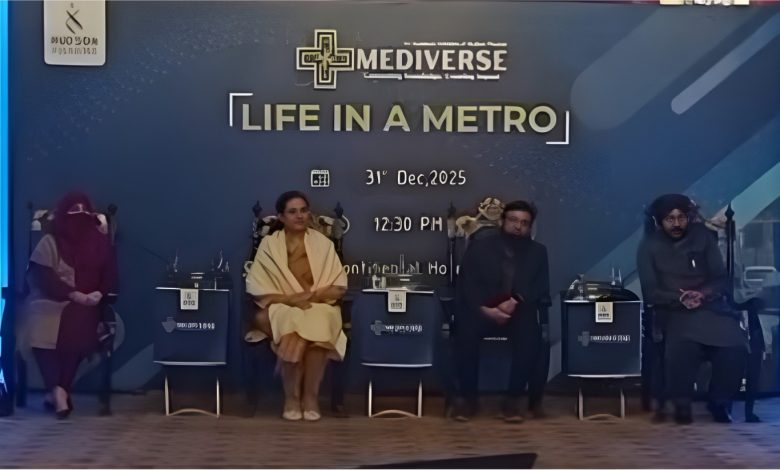
Doctors in Pakistan’s major metropolitan centres are under growing strain as experts at the Life in a Metro symposium highlighted the scale and consequences of doctor burnout across urban hospitals. Around 60 percent of physicians report symptoms of burnout, while suicide rates among doctors are almost twice those of the general population, yet only about one third seek professional help.
Speakers linked the rise in doctor burnout to long working hours, overwhelming patient loads, chronic sleep deprivation, daily traffic and worsening smog, all compounded by a workplace culture that prizes endurance over wellbeing. These pressures leave many doctors with little opportunity for routine medical care or simple self-care practices they routinely advise for patients.
Dr Saniya Javaid drew attention to particularly high stress levels in Lahore and other large cities, noting that seasonal factors such as winter-related low mood intensified by fog and smog further erode resilience. Emotional fatigue, she observed, often accumulates quietly until it impairs both personal health and professional performance.
Interventional cardiologist Dr M Rehan Omar Siddiqui described physician wellbeing as a silent global crisis now visible in Pakistan. Citing international figures, he warned that while nearly 60 percent of doctors face burnout and suicide rates are nearly double, many continue to work while ill, self-diagnose and avoid seeking care due to stigma, time constraints and a prevailing ‘superhuman’ mindset. Using the airline oxygen mask analogy, he urged clinicians to prioritise their own health as a prerequisite for safe patient care.
Dr Siddiqui urged practical daily steps to counter doctor burnout, including better sleep, regular physical activity, balanced nutrition, mindfulness and scheduled health checks, alongside institutional measures such as realistic workloads, stronger teamwork and effective delegation. He stressed that physician health is not a luxury but a professional responsibility tied to patient safety.
Consultant psychiatrist Dr Kulsoom Haider focused on emotional resilience and the mind-body link, explaining how unresolved distress often presents as physical illness and, in prolonged cases, may produce serious outcomes including stress-related cardiac injury. She recommended simple emotional regulation techniques such as controlled breathing, emotional labelling and gratitude practices to restore balance in busy clinical lives.
During the panel, colleagues reflected on the human cost of clinical duty. Dr Mimpal Singh warned that doctors often forget to live their own lives, while Dr Madiha Sanai highlighted the role of positive thinking and emotional awareness in sustaining resilience. Khawaja Ahad Uddin of Hudson Pharma reaffirmed support for continuous medical education and physician wellbeing through the Mediverse initiative, stressing that healthcare systems risk collapse if they neglect their caregivers.
Panelists and organisers called for urgent and coordinated action to address doctor burnout across Pakistan’s cities, combining individual self-care with leadership-driven reforms in hospitals. Without such steps, experts warned, the sustainability and quality of healthcare itself will remain at risk as the very people who heal others become the most neglected patients.