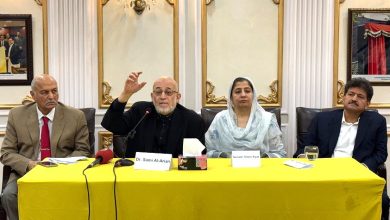
The Functional Committee on Human Rights pressed authorities for prompt accountability in the Jaranwala case after being told that more than 5,000 individuals were initially accused while only 382 arrests have been made so far. Members described the disparity as a serious concern for the pace of investigation and the identification of perpetrators.
Senator Samina Mumtaz Zehri chaired the session at Old PIPS Hall, Parliament Lodges, Islamabad, where officials provided a detailed briefing on the attacks that targeted churches and the Christian community. The committee asked that the report already submitted to the Supreme Court be brought to the committee at the next sitting so members can examine primary findings.
Lawmakers also requested the Special Branch record, noting it may shed light on alleged police lapses and administrative negligence during the violence. The committee made clear that the review should extend beyond arrests to include how law enforcement responded and why preventive measures failed in the first place in the Jaranwala case.
Members revisited the earlier decision by the then prime minister regarding compensation for each affected Christian family and emphasised that relief must reach those displaced and harmed without further delay. The committee urged authorities to provide an update on compensation disbursement alongside the criminal investigation progress.
Concern was expressed that police negligence or administrative failure could have contributed to the escalation, and the committee called for identification of any responsible officials. The committee stressed the need for a complete and credible record covering the Supreme Court report, Special Branch findings, compensation status and the status of criminal proceedings in the Jaranwala case.
Lawmakers highlighted the broader human rights implications and the damage to public confidence when minority communities and places of worship are attacked. The committee said ensuring justice, accountability and communal harmony is essential for protecting vulnerable groups and for Pakistan’s reputation, and it will continue parliamentary oversight when the requested reports are produced.