The World Health Organization has urged immediate action on tobacco control in Pakistan ahead of World No Tobacco Day, warning that tobacco is responsible for an estimated 164,000 deaths and economic losses of about PKR 1,800 billion (roughly US$6.6 billion) each year.
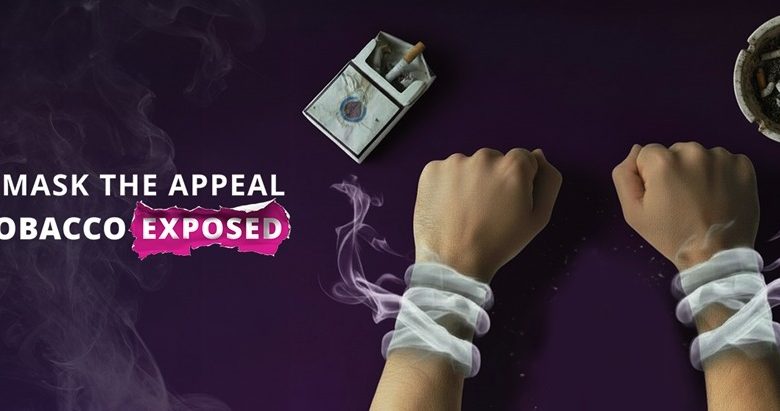
WHO has launched an international campaign under the theme Unmasking the appeal – countering nicotine and tobacco addiction to draw attention to how the tobacco and nicotine industry designs and repackages products to hook a new generation. The agency cautions that children and adolescents are being actively targeted and that all tobacco and nicotine products on the market, including e-cigarettes and other novel products, pose serious health risks.
The organisation highlights that the economic damage from tobacco in Pakistan is roughly seven times higher than the industry’s total tax contribution, estimated at about PKR 265 billion in 2025. With FED rates on cigarettes unchanged since February 2023, cigarettes have become more affordable and taxation levels remain below the WHO-recommended 75% of the retail price, presenting a clear policy opportunity to strengthen tobacco control and reduce consumption.
Global data underpin WHO’s warnings: at least 40 million children aged 13 to 15 report current use of one or more tobacco products, with 20 million smoking cigarettes, 10 million using smokeless tobacco and at least 15 million using e-cigarettes. In countries with data, children are on average nine times more likely than adults to vape. Worldwide, tobacco kills more than 7 million people each year, including an estimated 1.6 million non-smokers exposed to second-hand smoke.
WHO continues to support the Government of Pakistan, which ratified the WHO Framework Convention on Tobacco Control in 2004, by providing technical assistance on tobacco tax policy and track-and-trace implementation. Dr Dapeng Luo, WHO Representative in Pakistan, warned ‘Tobacco is a killer’ and urged measures that protect families, reduce youth addiction and prioritise public health over industry gains.