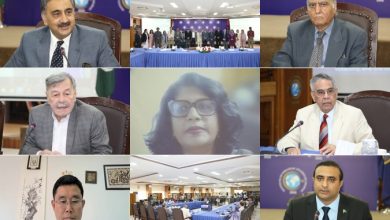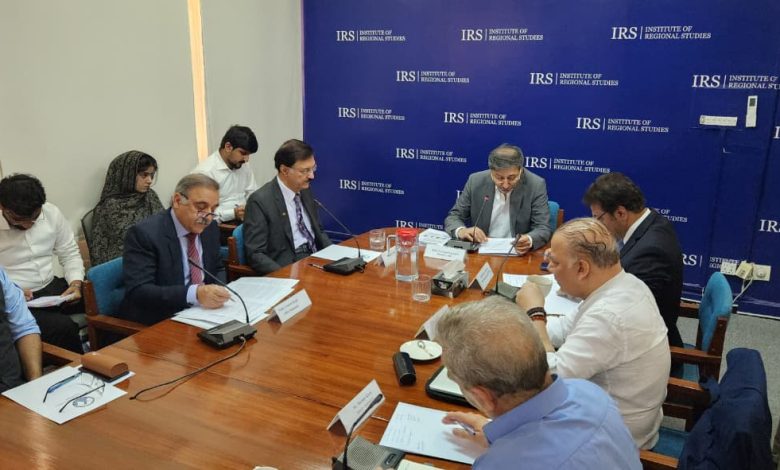
The Institute of Regional Studies in Islamabad convened a high-level discussion titled ‘Pluralism Over Polarization’ to examine how cultural heritage can strengthen Pakistan’s response to violent extremism. Speakers agreed that cultural assets, shared traditions and inclusive narratives are essential tools to undermine extremist messaging and to build resilient communities.
Ambassador Jauhar Saleem opened the session by framing cultural heritage as a strategic asset for the future rather than merely a legacy of the past. He argued that pluralism underpins social cohesion and national resilience, and urged promotion of an inclusive national identity that counters narrow narratives while enhancing Pakistan’s global image. He also reaffirmed IRS’s commitment to evidence-based policy dialogue on these issues.
Mr Ihsan Ghani, former National Coordinator of NACTA, warned of an imbalance between tactical counter-terrorism operations and broader counter-extremism work aimed at prevention. Citing the National Counter Extremism Policy Guidelines, he named recruitment, propaganda and financing as core pillars that sustain militant networks and proposed that cultural initiatives — from community festivals and local theatre to artistic exchanges and support for traditional arts — can offer positive social identities that reduce extremist appeal.
Major General (Retd.) Zahid Mahmood of NUST pointed to governance gaps and institutional weaknesses as important drivers of polarization. He emphasized the role of educational institutions in shaping identity, citizenship and a sense of belonging among youth commonly targeted by recruiters. In light of social media’s growing influence, he urged investment in digital literacy and empowering young people to create and amplify counter-narratives while fostering civic responsibility.
From a media and policy standpoint, Amir Ghauri of The News highlighted how economic deprivation, unemployment and social exclusion create vulnerabilities that extremist groups exploit. He argued that sustainable counter-extremism requires parallel efforts in economic opportunity, curriculum reform and effective oversight of educational and religious institutions to remove the structural incentives that feed radicalization.
Senior journalist Hassan Khan cautioned against reducing polarization to a single cause, describing it as a multifaceted phenomenon rooted in history, politics, economics and social dynamics. He recommended foregrounding Pakistan’s stories of coexistence and cultural achievement and integrating pluralistic values into curricula to nurture a shared civic identity across provinces.
Dr Rizwan Naseer, who moderated the seminar, stressed that while robust security measures are necessary to dismantle terrorist networks, long-term resilience depends on addressing the social and ideological conditions that allow extremism to re-emerge. Panelists collectively called for strengthening cultural institutions, promoting local artists in conflict-affected areas and reviving inter-provincial cultural festivals as part of a coherent national strategy.
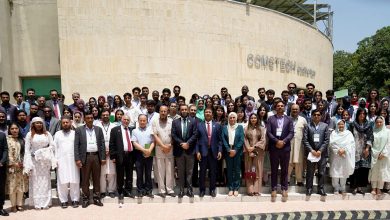
The event brought together academicians, researchers, media professionals and students and reinforced a consensus that cultural heritage must be central to Pakistan’s counter-extremism approach, complementing security efforts with community-driven, educational and economic measures to safeguard pluralism.