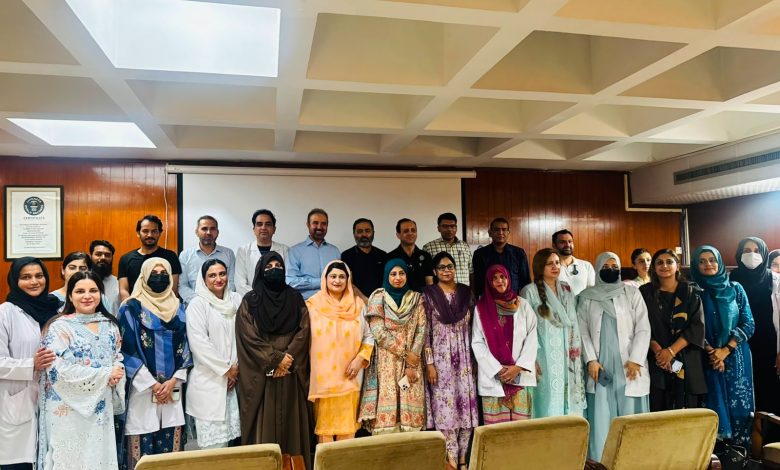
The Endocrinology Department at CDA Hospital organised a Thyroid Day Awareness Program in Islamabad to raise public understanding of thyroid disorders and the importance of early diagnosis, timely treatment and regular follow-up. The event emphasised practical steps for maintaining thyroid health and encouraged community members to seek medical advice for persistent symptoms.
The programme ran under the supervision of Executive Director Dr. Muhammad Naeem Taj and Dr. Sarwar Malik, Head of the Endocrinology Department, and brought together the full endocrinology team alongside senior doctors, consultants, allied healthcare professionals and members of the public. Attendees heard from specialists who addressed everyday concerns and clarified when to pursue further testing.
Experts from Endocrinology, Medicine, Radiology, Psychiatry and Dermatology delivered focused presentations on diagnosis, treatment options and preventive measures. Sessions covered common risk factors, diagnostic pathways and the role of imaging and laboratory tests, underlining the need for coordinated care to achieve the best outcomes for patients with thyroid conditions.
Participating senior physicians included Dr. Shazia Yousuf, Dr. Aziz-un-Nisa, Dr. Farhan Ali, Dr. Abid Saeed, Dr. Sarfaraz, Dr. Fatima Bilal, Dr. Shafique-ur-Rehman and Dr. Sheeba, all of whom urged attendees to prioritise regular health checks. Speakers consistently stressed that early medical advice and routine monitoring are central to effective thyroid management.
Dr. Sarwar Malik explained that thyroid diseases are common yet often go undiagnosed because their symptoms can mimic routine health issues. He outlined typical signs such as fatigue, weight changes, hair loss, mood disturbances, irregular menstrual cycles, neck swelling and difficulty concentrating, and noted that early detection and appropriate treatment can substantially improve quality of life and reduce the risk of complications.
Attendees were warned against self-medication and advised to consult qualified healthcare professionals for evaluation of unexplained tiredness, weight fluctuations, palpitations, anxiety, depression or neck changes. The programme reinforced that timely clinical assessment, accurate diagnosis and adherence to prescribed regimens are essential steps in managing thyroid disorders.
Speakers also highlighted lifestyle measures that support long-term thyroid health, including a balanced diet, routine follow-up visits and consistent use of medications when prescribed. The consensus was that most thyroid conditions can be effectively managed when identified early and treated appropriately.
The event concluded with an interactive question-and-answer session where community members received personalised guidance and practical advice. CDA Hospital reiterated its commitment to advancing public health education and empowering patients with knowledge so they can seek prompt medical attention. The programme reinforced a central public health message: your thyroid regulates energy, metabolism and heart function, so recognising symptoms early and consulting a healthcare professional can make a meaningful difference in health outcomes.