On World Malaria Day, the World Health Organization urged partners to intensify efforts to end malaria in Pakistan after the country registered a 10% fall in incidence in 2025 compared with 2024, while still recording about 1.8 million confirmed cases. Authorities and WHO experts say the country has not yet recovered from the climate-driven floods of 2022 that triggered a sharp surge in malaria, rising from 399,097 confirmed infections in 2021 to a peak of 2.7 million in 2023.
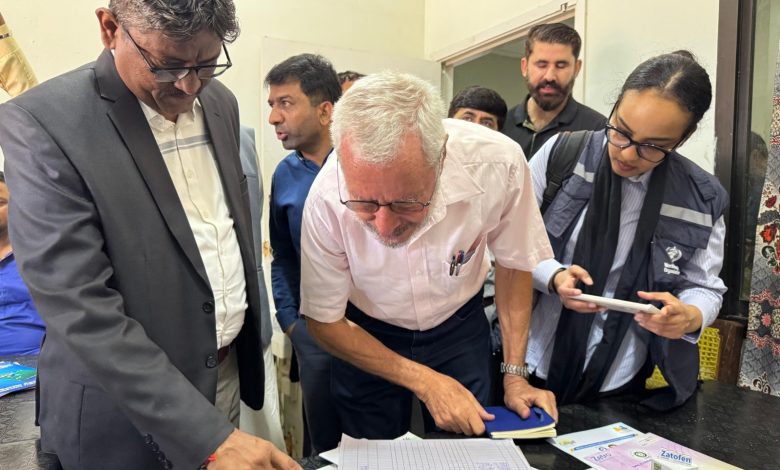
WHO teams visited health facilities across provinces during a country-led malaria programme review in April 2026, including a field visit to Sindh where experts met clinicians and programme managers to collect operational lessons. The review focused on strengthening prevention, surveillance, case management, evidence-based vector control, data systems and outbreak preparedness at both federal and provincial levels.
Progress remains fragile as climate change continues to influence transmission patterns and a global funding gap of approximately US$ 5.4 billion, together with recent cuts in international health aid, have disrupted health services, surveillance and prevention campaigns. WHO and partners warn that these pressures can quickly reverse gains and called for immediate support to stabilise programmes on the ground.
In 2025 Pakistan screened about 16.9 million suspected cases and, with support from WHO, partners, the private sector, civil society and funding from the Global Fund, provided free treatment to most of the nearly 1.8 million confirmed patients. Approximately 12 million insecticide-treated nets were distributed between 2023 and 2025, and community-based case management has been recently adopted with promising results for hard-to-reach communities.
Malaria transmission in Pakistan remains focused mainly in Balochistan, rural Sindh and some districts of Khyber Pakhtunkhwa, where health officials are prioritising targeted interventions. WHO emphasised that sustaining and expanding these measures is essential to prevent resurgence and to keep the country on track to end malaria.
Globally, WHO highlights the progress since 2000, when combined efforts averted an estimated 2.3 billion cases and 14 million deaths, and notes that 47 countries have now been certified malaria-free. Experts say eradication is within reach thanks to advances in vaccines, new treatments, innovative control tools and emerging technologies such as genetically modified mosquitoes and long-acting injectable options.
WHO and partners have launched a global campaign under the banner “Driven to End Malaria: Now We Can. Now We Must.” Pakistani health authorities and international supporters are being urged to capitalise on available tools and funding to protect lives now and invest in a malaria-free future for the country.