Surge in Unsafe Hair Transplants Raises Alarm: Smokers, Non Doctors Performing Risky Surgeries, Experts Warn

Surge in Unsafe Hair Transplants Raises Alarm: Smokers, Non Doctors Performing Risky Surgeries, Experts Warn
Nadeem Tanoli
Islamabad: The Hair Restoration Society of Pakistan (HRSP) issued a stern warning over widespread malpractice in the hair transplant industry, highlighting that non qualified personnel and patients who smoke are exposed to potentially disastrous outcomes.
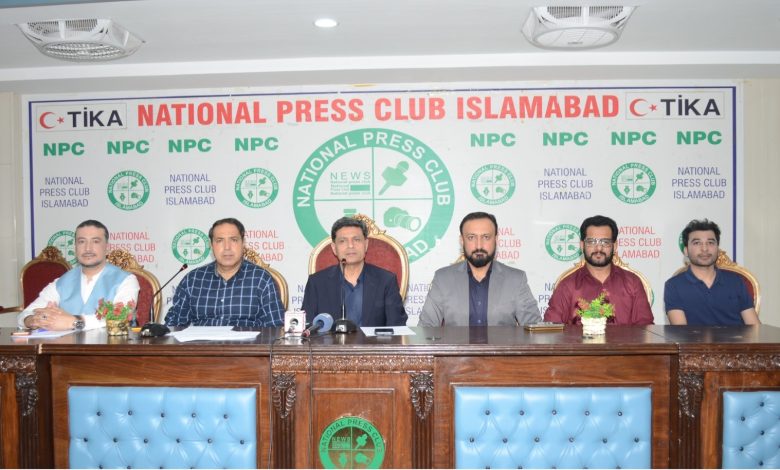
At a press conference, HRSP president Dr. Rana Irfan and leading surgeons Dr Mubashir Daha, Dr Ashfaq Khan, Dr Jawad Jehangir, Dr Fahad, Dr Zia-Ullah revealed that a majority of clinics across Islamabad, Rawalpindi, and other major cities operate without proper medical oversight. Shockingly, out of dozens of hair restoration centers surveyed, only few are run by certified doctors, while most clinics employ unqualified technicians performing complex surgeries. Experts labeled this a “public health crisis,” with potential financial and medical losses running into billions for unsuspecting patients.
Dr. Irfan stressed that performing hair transplants on smokers, even casual ones, is a “serious crime” due to nicotine induced vasoconstriction, which prevents transplanted hair follicles from receiving essential blood flow. Patients ignoring this warning risk complete graft failure, tissue necrosis, and irreversible donor area damage. “We have documented hundreds of cases where non doctors caused permanent damage to patients’ hairlines,” he said, noting that some clinics lure clients with low rates but impose hidden charges, and often fail to deliver promised results.
The Society also criticized deceptive marketing practices, including manipulating before and after photos and making false claims of high graft counts. Dr. Irfan urged the public to seek treatment only from certified hair transplant specialists and avoid clinics run by non-doctors, citing several examples where financial incentives override patient safety.
HRSP highlighted that government regulatory bodies, including the Islamabad Health Regulatory Authority (IHRA), Punjab Healthcare Commission, and Sindh Healthcare Commission, have begun investigations and sealing operations in some unauthorized clinics. However, the Society emphasized that stricter licensing, monitoring, and standardized surgical protocols are urgently needed nationwide.
The press conference also outlined key medical guidelines: hair transplant patients must abstain from all forms of nicotine including cigarettes, vaping, shisha, and gums for at least 2 to 4 weeks before surgery, and for 12 to16 weeks afterward, to ensure proper follicle survival. Cardiac patients and those on specific medications must receive specialist clearance before undergoing procedures.
Experts warned that failure to follow these guidelines leads to very poor results and significant long-term financial and emotional loss. Dr. Irfan concluded that raising public awareness and ensuring only qualified surgeons perform transplants is critical, emphasizing that Pakistan has the expertise to rival international medical tourism standards if regulations are properly enforced.