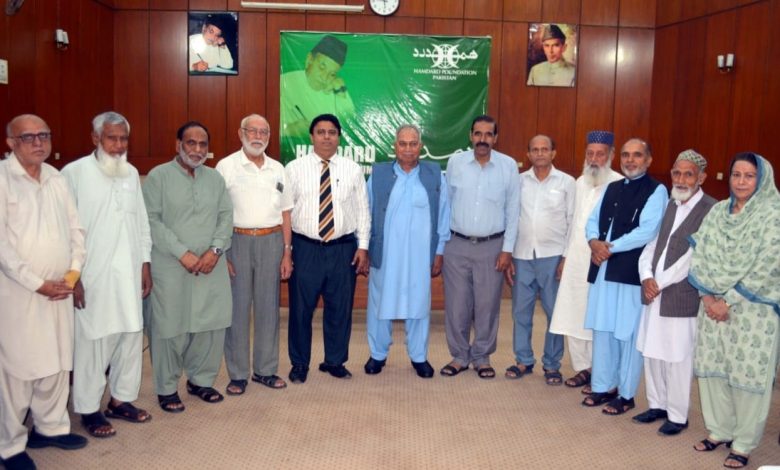
Speakers at a recent Hamdard Shura meeting emphasized the need for a transparent, impartial, and effective accountability system in Pakistan, stressing that true accountability is essential for national development, prosperity, and dignity. They urged governmental authorities to form judicial and accountability frameworks based clearly on the Quran, Sunnah, and teachings from the life of Prophet Muhammad (peace be upon him). Speakers called for an impartial accountability mechanism free from political interference, ensuring equality before the law for all citizens.
Addressing the meeting titled “The Need for Accountability Process,” Prof. Dr. Riaz Ahmed, President of Anjuman Faiz-ul-Islam and Speaker of Hamdard Shura, along with other distinguished intellectuals, stated that Islam itself is the foremost advocate of accountability and personal reform. They emphasized that self-accountability is crucial for achieving meaningful improvement. To transform Pakistan into a developed, prosperous, and dignified nation, accountability must become more than mere rhetoric—it must be practically implemented.
Highlighting the foundational philosophy of accountability, Prof. Dr. Ahmed explained that the primary aim should not merely be exposing corrupt elements but rather establishing a robust governance structure capable of ensuring proper utilization of public resources. Moreover, the accountable system must compel state institutions and officials to perform their duties honestly and responsibly.
National President of Hamdard Shura, Ms. Sadia Rashid, remarked that a genuinely fair and transparent accountability mechanism demands rising above political influences. She emphasized that awareness regarding citizens’ rights and responsibilities must be promoted extensively. Accountability must not remain limited to governmental departments alone; instead, every citizen should participate in this collective process to eliminate corruption, nepotism, and injustice from society.
Moreover, speakers agreed unanimously that genuine accountability would only become possible if the system is entirely independent, impartial, and free from external pressures. Accountability institutions must operate with absolute autonomy, ensuring fair decisions irrespective of social influence or political affiliations.
Concluding their addresses, the intellectuals reiterated their firm belief that sincere steps towards accountability, transparency, and impartiality could lay the foundation of a nation where justice prevails and socio-economic advancement becomes achievable.
Other distinguished participants who spoke on the issue included Hakim Bashir Bhairvi, Dr. Farhat Abbas, Dr. Afzal Babar, Naeem Akram Qureshi, Islamuddin Qureshi, Professor Zahid Ali Qureshi, Dr. Mahmood-ur-Rehman, Salma Qasir, Tanveer Nusrat, and analyst Raja Abdul Qayyum. They unanimously reiterated the urgent call for establishing a fair and impartial accountability framework in Pakistan.