WHO Calls for Action to Eliminate Hepatitis in Eastern Mediterranean

WHO Calls for Urgent, Coordinated Efforts to Eliminate Hepatitis in the Eastern Mediterranean
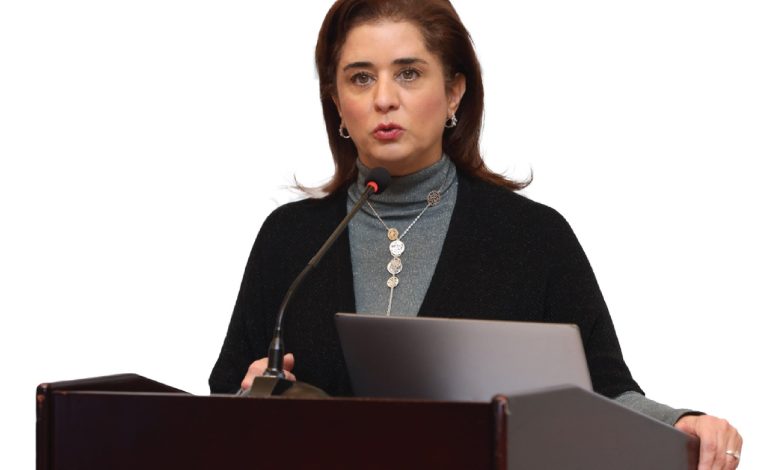
The World Health Organization (WHO) has issued a strong call for urgent and collective action to eliminate viral hepatitis as a public health threat in the Eastern Mediterranean Region by 2030. Dr. Hanan Balkhy, WHO’s Regional Director for the region, highlighted the critical need to break down barriers to prevention, diagnosis, and treatment, as part of this year’s World Hepatitis Day campaign themed “Hepatitis: Let’s Break It Down.”
Viral hepatitis remains a significant health challenge across the region, with an estimated 27 million people living with chronic hepatitis—15 million with hepatitis B and 12 million with hepatitis C. The disease’s impact in recent years has been severe: in 2022 alone, there were 183,000 new cases of hepatitis C, 86,000 new hepatitis B infections, and 97,000 deaths due to hepatitis-related complications. Dr. Balkhy emphasized that these deaths could have been prevented with timely and adequate access to healthcare.
Despite these daunting figures, notable progress has been made, especially in combatting hepatitis C. Egypt has emerged as a global leader, reducing hepatitis C-related deaths by 35% since 2018 and achieving WHO gold tier status for its efforts. Pakistan has also made significant advances; its government is undertaking initiatives to expand treatment capacity, aiming to provide care for approximately 5 million people—half of the nation’s hepatitis C-infected population—by 2027.
However, the response to hepatitis B presents a contrasting picture. Dr. Balkhy pointed out that only 14% of individuals living with hepatitis B in the region have been diagnosed, and less than 2% are receiving treatment. Furthermore, the coverage of the hepatitis B birth dose vaccine is notably low, reaching only about half of the global 90% target—a gap that represents a significant missed opportunity for early prevention.
To address these gaps, Dr. Balkhy called upon governments and international partners to invest in and expand proven interventions. These include wider hepatitis B vaccination efforts, universal testing and treatment, better integration of hepatitis services into maternal and child health programs, sustainable financing models, and more effective use of data to inform public health decisions.
Reiterating the urgency of joint action, Dr. Balkhy concluded with a powerful message: “Together, we can end hepatitis—and save lives.” Her appeal underscores the need for renewed commitment from all stakeholders to overcome the obstacles to eliminating this preventable disease.