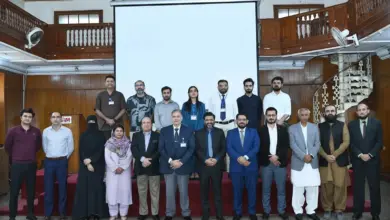
Health Minister Urges Early Action as Diabetes Burden Rises in Pakistan

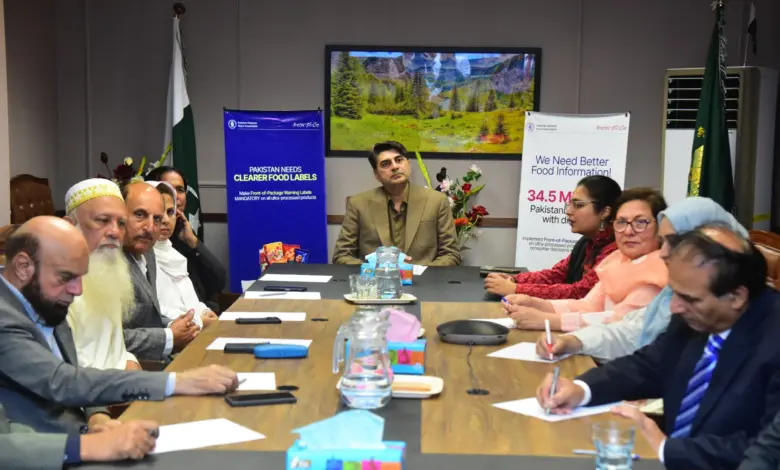
Islamabad, November 12, 2026: Minister of State for National Health Services, Regulations and Coordination Dr Mukhtar Ahmad Malik has called for stronger prevention policies, wider public awareness and greater investment in primary healthcare to counter the rising burden of diabetes and other non-communicable diseases in Pakistan.
He was addressing as chief guest at an event organised by the Pakistan National Heart Association (PANAH) to observe World Diabetes Day 2026 under the theme “Early Action on Diabetes”. The event included a presentation on the diabetes situation in Pakistan and a proposal for the establishment of a National Diabetes and NCDs Conclave.
Dr Malik appreciated PANAH’s continued work for healthier food policies and prevention of non-communicable diseases.
Citing the IDF Diabetes Atlas 2025, the minister said around 34.5 million people in Pakistan were living with diabetes, while nearly one-third of adults were affected by the disease. He said diabetes was not only a health concern but also a major economic and development challenge, requiring urgent attention to prevention, timely diagnosis and treatment.
He said more resources must be directed towards public awareness, healthy lifestyles and preventive healthcare. The minister also underlined the need for evidence-based food policies, including health taxes on sugary drinks, front-of-pack warning labels and restrictions on the marketing of unhealthy foods to children.
Dr Malik said strengthening primary healthcare was essential for screening, early diagnosis and timely referral, adding that prevention must be placed at the centre of the healthcare system.
Referring to government measures, he highlighted the Prime Minister’s Programme for the Prevention and Control of Diabetes Mellitus, under which Rs6.8 billion had been committed for nationwide diabetes screening. He said the screening would begin from Islamabad and later be extended to the provinces.
The minister also called for more research to understand the link between mental health, stress and diabetes. He said mental health considerations should be included in wider efforts to prevent non-communicable diseases.
On PANAH’s proposal for a National Diabetes and NCDs Conclave, Dr Malik assured institutional support from the Ministry of National Health Services. He said the ministry would facilitate engagement with provincial governments, development partners and relevant stakeholders, and encouraged the preparation of a comprehensive proposal to take the initiative forward.
Concluding his address, the minister said tackling non-communicable diseases required coordinated efforts by the federal government, provinces, civil society, development partners and the private sector. He said public awareness campaigns should promote regular blood sugar screening, reduced consumption of sugary drinks and healthier, more active lifestyles.
He said the real success of a healthcare system was not only in treating disease but, more importantly, in preventing it.
“Early action today means a healthier Pakistan tomorrow,” he added.