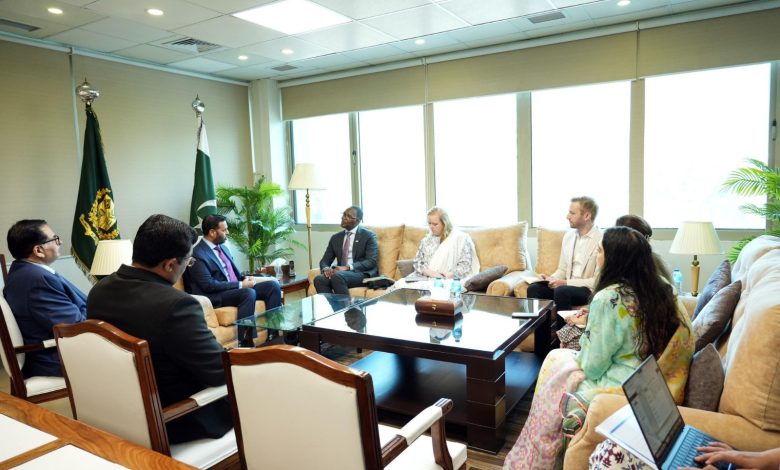
Federal Health Minister Syed Mustafa Kamal met with a delegation from Gavi to discuss Pakistan’s ongoing HPV vaccination campaign against cervical cancer. The talks focused on measures to ensure the campaign’s success, reduce the burden of cervical cancer, expand public awareness through partnerships, and support local vaccine production and introduction of a hexavalent vaccine.
During the meeting, officials reviewed progress on the HPV vaccination campaign and identified priorities to strengthen outreach and coverage. Both sides emphasized the importance of sustaining momentum to protect girls and young women and to lower cervical cancer incidence nationwide.
Minister Kamal expressed appreciation for Gavi’s partnership and said Pakistan would draw on global experience and best practices to optimize the campaign. He underlined the government’s commitment to coordinated action across sectors to maximize impact.
To increase public awareness and uptake, the health ministry will work in collaboration with the Ministry of Education and leverage channels such as the 1166 health helpline along with other communication platforms. These efforts aim to reach parents, schools, and communities with clear information about the vaccine and the benefits of early protection.
Gavi reiterated its support for Pakistan’s immunization goals and assured assistance for the development of local vaccine manufacturing capacity. The delegation also confirmed backing for the introduction of a hexavalent vaccine, which would streamline childhood immunization by combining multiple antigens into a single product.
Officials agreed to continue close coordination to implement the agreed measures and monitor the campaign’s progress, with the shared objective of reducing cervical cancer’s health burden and improving long-term public health outcomes.