**Chinese Scientists Successfully Clone Yak in Major Biotechnology Breakthrough**
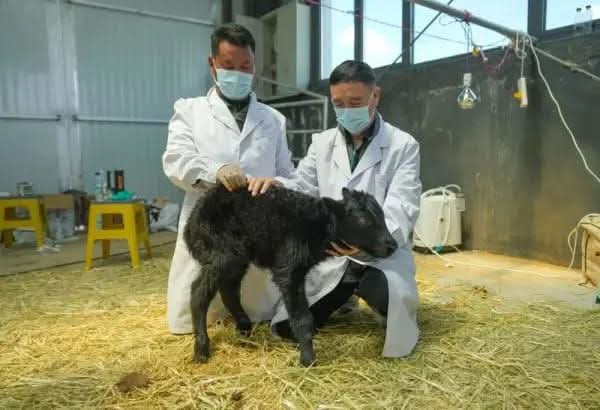
Chinese researchers have achieved a significant scientific milestone by delivering the world’s first cloned yak, marking a breakthrough for both animal biotechnology and the future of agriculture in Tibet. The black yak calf, weighing 73.9 pounds, was born in Tibet’s Damxung County through a cesarean section—a result of advanced somatic cell cloning techniques.
This landmark achievement is the culmination of a project led by Zhejiang University since 2023. Scientists used somatic cell cloning, a method in which DNA from a mature body cell is inserted into an egg cell that has had its nucleus removed. The technology enables the replication of animals with specific desirable traits, allowing targeted improvements in livestock breeds.
Enhancing the productivity and disease resistance of yaks is a key goal of the initiative. Yaks play a central role in the lives of Tibet’s high-altitude communities, providing essential resources such as meat, milk, transportation, and fuel. By introducing cloned yaks with superior characteristics, researchers hope to boost both the economic well-being and ecological resilience of the region.
Experts say this development could pave the way for large-scale improvements in livestock breeding and set new standards in animal cloning technology, benefiting not only Tibet but other high-altitude and remote regions reliant on yaks for survival.