Pakistan is facing a severe mental health crisis, with 20 percent of its population in need of psychological care, yet only 600 psychiatrists are available across the country. This critical shortage is contributing to a growing national challenge that has long been overlooked.
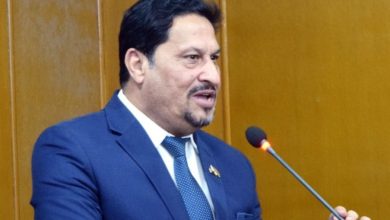
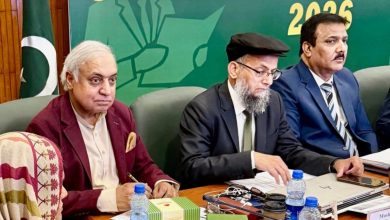
Federal Minister for Planning, Development, and Special Initiatives, Professor Ahsan Iqbal, highlighted the seriousness of the situation while launching the “Mental Health and Psychosocial Support Implementation Plan 2025-2030.” He emphasized that emotionally and mentally healthy citizens are the foundation of a nation’s progress. He pointed out that infrastructure alone cannot lead to development if the population is deprived of peace of mind.
Statistics reveal the depth of the crisis: despite one in every five Pakistanis requiring mental health services, there are only 600 specialists available nationwide. The mental health burden is further exacerbated by the social impacts of terrorism, extremism, and societal divisions, leaving deep psychological scars. Additionally, stigma and misunderstandings around mental illness remain some of the biggest obstacles to open discussion and timely treatment.
Professor Iqbal outlined three main priorities under the new plan: integrating mental health services into basic healthcare so support is available at all levels, providing special training for teachers to identify and address students’ psychological needs, and reviving family and social support systems to combat rising isolation and disconnection in the digital age. He also stressed the need to strengthen Pakistan’s “national psychology,” promoting self-confidence and positive thinking to protect society from divisive narratives.
Dr. Asma Humayun, National Technical Advisor on Mental Health, described the initiative as an unprecedented and historic step toward bridging the mental healthcare gap in Pakistan. The plan is based on a local four-tier model, offering scientifically-sound, personalized, and culturally-appropriate services at every level—from trained community workers to specialist psychiatrists.
Key features of the Mental Health and Psychosocial Support Plan include the launch of Pakistan’s first home-grown mental health model, technical support from a strategic planning and coordination unit, a central web portal, a learning management system, three mobile apps, and dedicated telecommunications support. Following successful trials in Islamabad and Khyber Pakhtunkhwa, the program is now preparing for expansion into other provinces. Sustainability will be ensured through a phased rollout and robust monitoring and evaluation systems.
This comprehensive initiative goes beyond treating mental illness. It aims to equip society to better cope with stress and challenges, fostering social harmony. Improved mental health not only enhances individual wellbeing but also strengthens the nation’s overall productivity and resilience.