**Senate Committee Questions Strategy Behind Major Privatization Moves, Cites Concerns Over PMDC, ZTBL, and PIA Pensions**
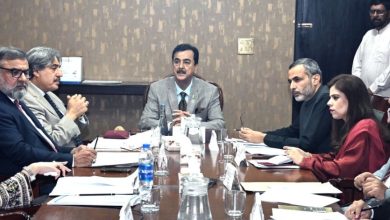
A meeting of Pakistan’s Senate Standing Committee on Privatization has brought fresh scrutiny to the government’s strategy for privatizing state-owned enterprises, raising particular concerns about the Pakistan Minerals Development Corporation (PMDC) and Zarai Taraqiati Bank Limited (ZTBL). Lawmakers also highlighted grievances regarding low pension payouts for Pakistan International Airlines Corporation Limited (PIACL) retirees, and questioned delays and transparency issues surrounding privatization processes across multiple sectors.
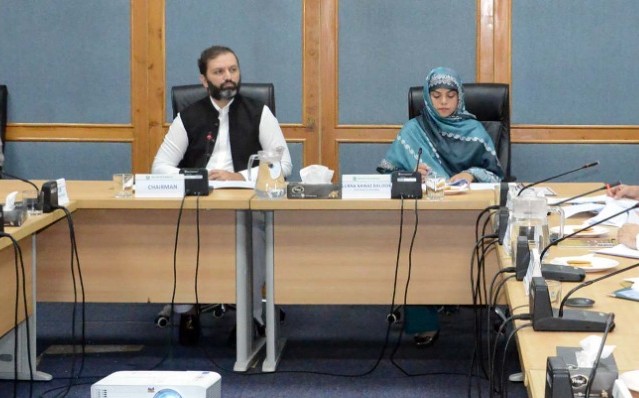
During the session, chaired by Senator Dr. Afnan Ullah Khan, committee members reviewed reports on PIACL pensioners, noting that liabilities for 6,625 employees total Rs. 14.88 billion, a figure described by the chairman as “extremely low.” Dr. Afnan Ullah Khan criticized the insufficiency of the support provided to former employees and requested comprehensive details on pension distributions by employee grade for the committee’s next meeting. The Ministry of Privatization responded that pension policies are reviewed and adjusted annually, but was directed to provide further detailed information.
Turning to the pending privatization of PMDC, senators pressed for clarity on why the entity is being considered for privatization when it has not yet been officially included on the government’s privatization list. Senator Zeeshan Khanzada questioned the rationale and overall purpose of privatizing PMDC, while Senator Bilal Ahmed Khan raised the issue of land allotment for the organization if privatization is imminent. Questions were also asked about the size of PMDC operations and its mineral output. Senators challenged whether the Petroleum Ministry, which has been involved in the discussions, has the authority to make privatization decisions. Officials clarified that such decisions are handled by the Cabinet Committee on State-Owned Enterprises (SOEs), but acknowledged that further input from the Petroleum Ministry was needed. The committee agreed to invite PMDC representatives for more thorough deliberations at a future meeting.
ZTBL, Pakistan’s major agricultural lending institution, is among 24 entities named for privatization in the first phase approved by the government. The committee learned that the bank is in the process of recruiting a financial advisor, a move critical to moving the privatization forward. Despite initial bids and evaluations having taken place months ago, the appointment has been delayed. Ministry officials explained that the unexpected delay resulted from high fee proposals, with one bidder seeking nearly Rs. 500 million, necessitating a restart of the selection process. The ministry assured senators that the privatization process is now targeted for completion within nine months.
Broader concerns over the privatization program were also raised, particularly regarding the performance of the Privatization Commission and the need for clear justifications for selling off state assets. Senators emphasized that the rationale behind privatization for various entities must be thoroughly examined in committee discussions before decisions are finalized.
The committee session also reviewed the planned privatization of major electricity distribution companies (DISCOs). Islamabad Electric Supply Company (IESCO), Gujranwala Electric Power Company (GEPCO), and Faisalabad Electric Supply Company (FESCO) are included in the initial phase, with stakeholder deliberations ongoing following due diligence and reports from financial advisors. The privatization of Hyderabad Electric Supply Company (HESCO) and Sukkur Electric Power Company (SEPCO) will occur in a subsequent phase, and the tender for hiring a financial advisor for these entities has been publicly advertised.
The Senate committee concluded by calling for greater transparency, oversight, and inter-ministerial coordination throughout the privatization process, underscoring the need to safeguard employee interests while ensuring that national resources and institutions are managed in the public’s best interest.