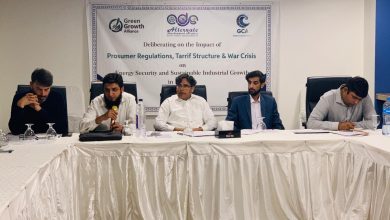
Syed Muhammad Ashfaq, president of the Rights Al-Ibad Development Foundation (HEDF), warned that climate change imposes far harsher challenges on women than on men and called for gender-responsive policies to tackle these risks. He presented a new HEDF report at the National Press Club in Islamabad alongside colleagues Hafiz Muhammad Asghar and Sapna Ajmal, stressing that policy responses must prioritize the environmental burdens faced by women.
The study, conducted with limited resources but using both qualitative and quantitative methods, surveyed more than 800 people across Punjab, Sindh, Khyber Pakhtunkhwa and Balochistan. The report is one of the first of its kind in Pakistan and highlights distinct gendered impacts of climate change on livelihoods, health and daily responsibilities.
Access to safe, local water emerged as the top climate-related concern for women nationally, with 28.5 percent naming it their primary worry and a notably higher 66.7 percent of women in Balochistan reporting it as the most severe issue. Infrastructure gaps and state inaction force 34.1 percent of women to travel long distances to collect water, increasing their daily burden and exposure to risk.
Respondents reported that climate change has amplified unpaid work and household responsibilities for 25.1 percent of women, generating double physical strain and stress. Physical exhaustion and sustained pressure were identified by 32 percent as leading climate-related health problems. Economic impacts were also significant: 58 percent of women said their income opportunities fell because recurring climate disasters damaged crops and ended agricultural work.
Financial constraints were cited by 30 percent as the main barrier to preparing for climate hazards, while entrenched gender norms limit women’s voice in decision-making. Forty percent of women reported cultural restrictions as the primary obstacle to participating in climate and disaster decisions, a gap that undermines both resilience and recovery.
The HEDF report calls for targeted policy action including investment in gender-sensitive water infrastructure to ensure safe local access for women, mandatory 50 percent female representation on all climate and disaster management committees, and deployment of mental health and climate-related health services in affected areas. It also recommends clear legal mechanisms to prevent and respond to violence against women after disasters and the launch of climate awareness and economic empowerment programs to strengthen women’s resilience.
HEDF officials emphasized that addressing these gendered impacts of climate change is essential for equitable disaster response and sustainable recovery across Pakistan’s provinces, particularly in vulnerable regions such as Balochistan where water scarcity and infrastructure deficits compound women’s hardships.