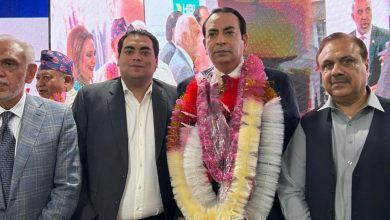
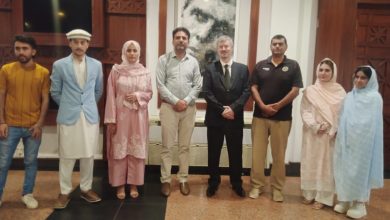
The launch in Peshawar of two reports — The State of the Children in Pakistan 2024 and Situation Analysis of Children from Minority Religions — brought renewed focus to child rights across Khyber Pakhtunkhwa and the country. The events highlighted evidence-based findings and called for immediate multi-sectoral responses to protect vulnerable children.
Representatives from UNICEF, the Elementary and Secondary Education Department KP, the KP Child Protection & Welfare Commission, the Auqaf, Hajj, Religious and Minority Affairs Department KP, the IG Office and a broad range of local NGOs and civil society actors joined provincial stakeholders to examine the reports and discuss practical steps forward. This cross-sector participation underscored the need for coordinated action on child rights at both provincial and national levels.
The reports identify persistent challenges including high numbers of out-of-school children, widespread child labour and rising cases of early and forced marriages. They also draw attention to the heightened risks faced by children from minority religions. The State of the Children in Pakistan 2024 offers a national evidence base that highlights gaps in child health and nutrition while flagging emerging vulnerabilities such as climate-related threats and online protection hazards that demand urgent policy attention.
Speakers at the launch emphasised the necessity of stronger legal safeguards, inclusive policies and sustained programme delivery to secure child rights for marginalized groups. Calls for improved coordination between departments and civil society stressed the importance of translating report findings into actionable reforms that prioritise protection, social inclusion and equitable access to services for every child.
The report launch represents a strategic step toward evidence-based advocacy in Pakistan, setting a clearer agenda for provincial reforms and helping shape policies that can reduce out-of-school rates, curb child labour and better protect minority children. Continued follow-up by government bodies, UNICEF and local partners will be essential to turning recommendations into measurable improvements on the ground.