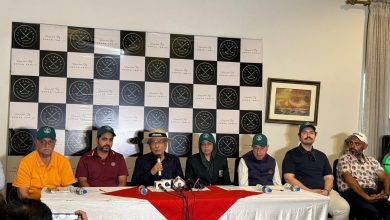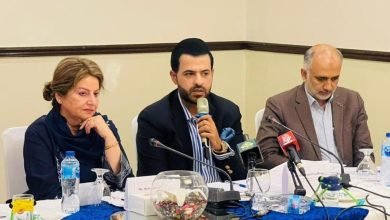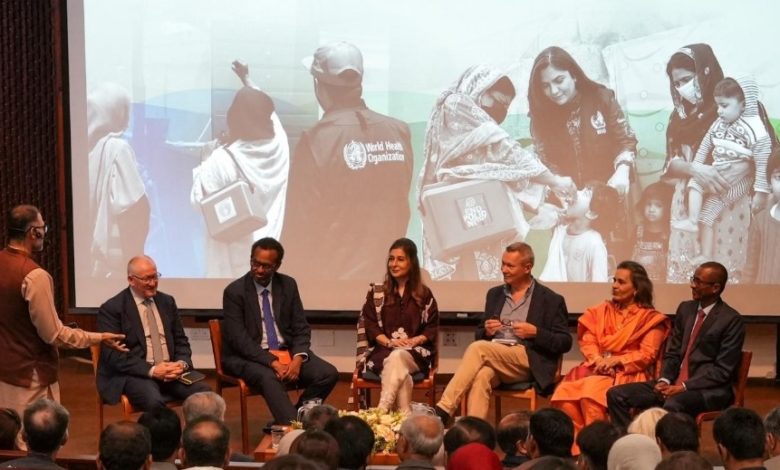
International and national experts gathered by the World Health Organization and Aga Khan University in Karachi stressed that polio eradication in Pakistan is within reach, but warned that the global threat persists unless efforts continue without pause. Panelists highlighted that Pakistan has cut polio cases by 99.6% over three decades, dropping from roughly 20,000 annual cases to 74 in 2024 and 30 so far in 2025, evidence that vaccines and targeted campaigns work.
Speakers pointed to the recent detection of wild poliovirus in Germany as a stark reminder that the virus crosses borders and that scaling back would carry far greater costs than sustained action. WHO Representative Dr Luo Dapeng urged renewed commitment, saying science shows eradication is possible and it is not time to quit.
State Health Minister of Sindh Azra Fazal Pechuho called the effort a shared global responsibility, noting that success in Pakistan will benefit children worldwide. The Prime Minister’s Focal Person for Polio Eradication, Ayesha Raza Farooq, reminded audiences that two of the three wild poliovirus strains circulating in 1994 have already been eliminated and that Pakistan’s network of emergency operation centres uses data-driven methods to stay ahead of the virus.
Technical experts reinforced the message that the medical case for polio eradication is settled. Dr Jamal Ahmed, WHO Director for Polio Eradication, pointed to examples from other countries and stressed that practical evidence proves vaccines deliver the immunity needed to stop transmission. Dr Mohammed Soghaier emphasised improved tools and technology that strengthen the response.
Clinical voices underlined the human cost of any slowdown. Professor Shahnaz Ibrahim, Chair of the National Polio Certification Committee, described the devastating impact of polio cases she has treated and appealed to communities and stakeholders to intensify vaccination and surveillance until the last child is reached. Dr Christopher Maher highlighted the greatly enhanced sensitivity of current surveillance and genetic sequencing, which makes Pakistan’s detection and response capabilities among the most advanced.
Partners praised Pakistan’s field teams and the resilience of surveillance systems. Dr Sebastian Taylor noted strong operational performance across the programme, while Aziz Memon of Rotary International reaffirmed decades-long commitment to finishing the job and reminded attendees that sustained partnership will be essential to making the world polio-free.
Speakers closed by calling for continued coordination between government, health authorities, academia and communities. They argued that polio eradication demands persistence, science-led operations and community engagement so Pakistan can cross the finish line and help secure a polio-free future globally.