Nine out of ten adolescent girls in low and middle income countries remain offline, a gap that risks leaving a generation without equal access to learning, skills development and income pathways. Strengthening digital inclusion is essential to ensure girls can benefit from education and economic opportunities in an increasingly digital world.
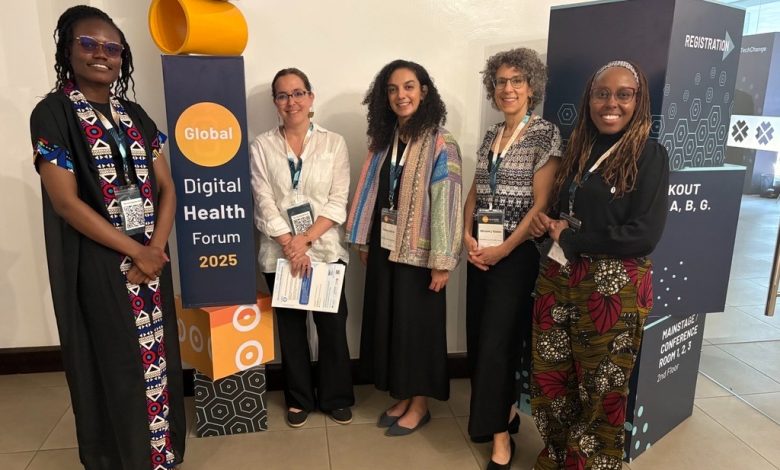
At the Global Digital Health Forum in Nairobi, colleagues from the Council’s GIRL Center presented new research documenting disparities in digital access for adolescent girls. Their findings underline the urgent need for evidence that shows who is reached by current digital programs and who is excluded, so interventions can be targeted and effective.
Even as access to digital technology grows, major gaps persist in programming tailored to adolescents. Building a shared learning agenda that prioritizes these evidence gaps and tests how to translate lessons from in person safe spaces into the digital realm will be critical to improving outcomes for girls and supporting scalable approaches to online safety and engagement.
GIRL Center research also found encouraging signs of interest in digital inclusion: roughly two thirds of national digital technology policies include a strong to moderate focus on the digital development of young people. However, very few of these policies explicitly centre the needs of girls, a shortfall that policymakers and civil society in Pakistan and across the region must address if digital access is to be equitable.
For Pakistan, the implications are clear: strengthening policy focus on girls, investing in safe online spaces and expanding research into who benefits from digital programs will be necessary steps to close the digital divide. Continued coordination among government bodies, NGOs, educators and the private sector can turn the GIRL Center’s findings into practical actions that expand digital inclusion and create pathways to learning, skills and livelihoods for adolescent girls.