Islamabad, March 9, 2026 — The Higher Education Commission convened a ceremony to recognise 118 Pakistani researchers serving universities in Islamabad, Rawalpindi and neighbouring areas who appear among the world’s top two percent scientists, underlining a renewed emphasis on research that delivers real national benefit.
Dr. Niaz Ahmad Akhtar, Chairman HEC, presented certificates to the distinguished scholars and described them as “the stars of the nation,” stressing that universities remain the primary centres for creation and transformation of knowledge. He urged Pakistani researchers to align their work with industrial needs and national priorities, adding that a single paper with tangible change outweighs hundreds without impact: “A single research paper that brings real change is far more valuable than hundreds of papers without tangible impact.” He also called on senior researchers to mentor young scholars and transfer experience to the next generation.
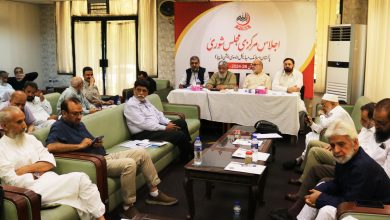
The event was attended by a large number of vice chancellors, deans and faculty members and was graced by Dr. Zia ul Haq, Executive Director HEC — himself listed among the globally ranked scientists — and Dr. Engr. Muhammad Ali Nasir, Advisor of the Research & Innovation Division. HEC announced plans to hold similar recognition events across the provinces and to stage a research exhibition to showcase the outcomes of the honoured scholars.
HEC highlighted that more than 1,000 Pakistani researchers featured in Stanford University’s 2025 global ranking of the world’s top scientists, reflecting growing citation impact across disciplines. The Commission reiterated its commitment to allocate substantial resources to research, provide competitive grant programmes and facilitate collaborations that translate findings into practical solutions for Pakistan’s socio-economic challenges.
Advisor R&I Dr. Muhammad Ali Nasir outlined HEC’s research and innovation portfolio, noting initiatives such as the National Research Programme for Universities (NRPU), the Technology Development Fund (TDF) and targeted research grants that support technology transfer and international partnerships. He stressed that these mechanisms are designed to ensure research outcomes move beyond publications to real-world applications.
Speakers and representatives of the recognised scholars emphasised scientific integrity, interdisciplinary collaboration and resource sharing as essential to address national challenges. The gathering underscored that Pakistani researchers have the potential to drive both domestic development and contribute to global scientific discourse when supported with funding, industry engagement and strong mentorship.