Experts and policymakers in Islamabad urged Pakistan to lead a coordinated national push to secure the appointment of the first woman UN Secretary-General, calling for a clear, time-bound strategy that combines domestic reforms with international coalition building. Speakers stressed that success will require moving beyond slogan-driven advocacy to concrete diplomatic action and institutional change.
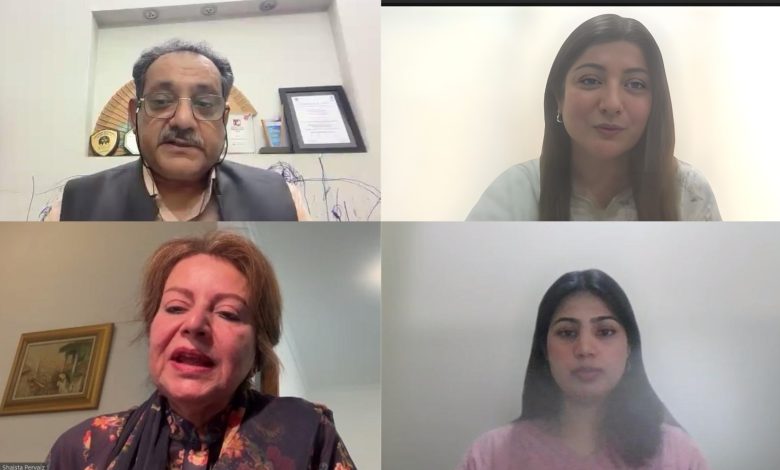
The call came during a webinar hosted jointly by the Sustainable Development Policy Institute and Southern Voice titled “One for 8 Billion: Advancing Women’s Leadership in the UN Secretary General Selection”, where participants mapped practical steps Pakistan can take ahead of the 2026 selection process.
Shaista Parvez Malik, convener of the Parliamentary Taskforce for SDGs and member of the National Assembly, argued that the question of selecting a woman UN Secretary is fundamentally about power and process rather than merit alone. She urged the development of a coordinated roadmap involving government ministries, diplomatic missions and UN representatives to endorse credible female candidates and insist on transparency throughout the selection.
Dr Shafqat Munir, SDPI deputy executive director (policy), said the main obstacle to a woman UN Secretary is entrenched gender profiling across UN roles rather than a shortage of qualified candidates. He pointed to successful women leaders in the region and recommended systematic profiling of leadership roles alongside broader UN reforms to dismantle decision-making biases.
Humaira Mufti of the National Commission on the Status of Women emphasised that Pakistan’s advocacy must align with its official foreign policy and include formal endorsements of strong female contenders. She called for early engagement with regional blocs such as the G77, OIC and Asia-Pacific groupings, noting that sustained diplomatic lobbying and resource mobilisation are essential given the limited timeframe to mid-2026.
Dr Humaira Ashfaq of International Islamic University, Islamabad, urged long-term structural change through education reform, including updating curricula to reflect women leaders’ contributions, fostering inclusive classroom environments and institutionalised mentorship programmes that prepare women for leadership while countering hidden societal biases.
Ayesha Naeem of SDPI presented the study “1for8 Billion: Advancing Gender Inclusive Leadership in the Campaign for UN Secretary General”, which identified lack of transparency and the dominance of permanent Security Council members as major barriers. The research recommends curbing backroom decision-making, ensuring multiple candidates are presented to the General Assembly and advocating for a single non-renewable term to reduce undue influence from powerful states.
Speakers highlighted Pakistan’s strategic advantage as a current member of the UN Security Council and urged the government to leverage that position to promote gender parity, rally support among non-permanent members and push procedural reforms that increase accountability. The panel concluded that a focused national plan, regional coalition-building and institutional reforms are all needed if Pakistan is to help secure a woman UN Secretary in 2026.