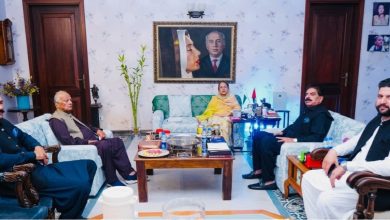
The Senate sub-committee convened at Parliament House, Islamabad under Senator Anusha Rehman to scrutinize preparedness for MDCAT 2026 and to examine the broader MDCAT policy that assigns 50% weight to the test versus formal exam results, while also assessing exam fee transparency and uniformity in admissions.
The meeting was chaired by the convenor Senator Anusha Rehman, with Senator Samina Mumtaz Zehri in attendance and Senator Agha Shahzaib Durrani joining via Zoom as members reviewed how the current MDCAT policy affects candidates from diverse educational backgrounds.
Members raised sharp questions about a recent Pakistan Medical and Dental Council directive making MDCAT mandatory for students seeking MBBS admission abroad, challenging the legal basis of that requirement and describing the move as lacking clear statutory backing. The committee requested all documents and legal provisions from PMDC and the Ministry of National Health Services to justify any compulsory test for foreign admissions.
Committee members highlighted concern that the directive does not directly prevent admissions to substandard foreign colleges and urged PMDC to publish a vetted list of institutions that fail to meet recognised standards. The sub-committee argued that targeted guidance would better protect students and parents than blanket restrictions imposed without transparent criteria.
Discussion turned to the practical impact of the MDCAT policy on A-Level students, noting the test syllabus is primarily aligned with intermediate curricula and may disadvantage international qualification holders. Members linked such policy shortcomings to 743 vacant seats currently reported across medical and dental colleges, stressing that reforms are needed to ensure fairness and to reduce unfilled places.
Officials informed the committee that most vacant positions were in dental colleges, and members expressed concern about international non-recognition of some Pakistan dentistry qualifications. The sub-committee urged standardisation and alignment with global practices to protect graduates’ mobility and professional prospects.
The briefing also covered collection, utilization and auditing mechanisms for MDCAT fees. Members called for clear, publicly available accounting and stronger oversight to ensure fee structures are justified and do not create unnecessary barriers for applicants.
Concluding the review, the sub-committee disagreed with several aspects of the existing PMDC framework and recommended a comprehensive review of the MDCAT policy with meaningful stakeholder consultation. The convenor directed that a public hearing be organised, inviting affected students, medical practitioners and vice chancellors to contribute to policy revisions and any legislative reforms aimed at resolving long-standing concerns in the medical and dental admissions system.